
Piptospatha remiformis
Piptospatha remiformis
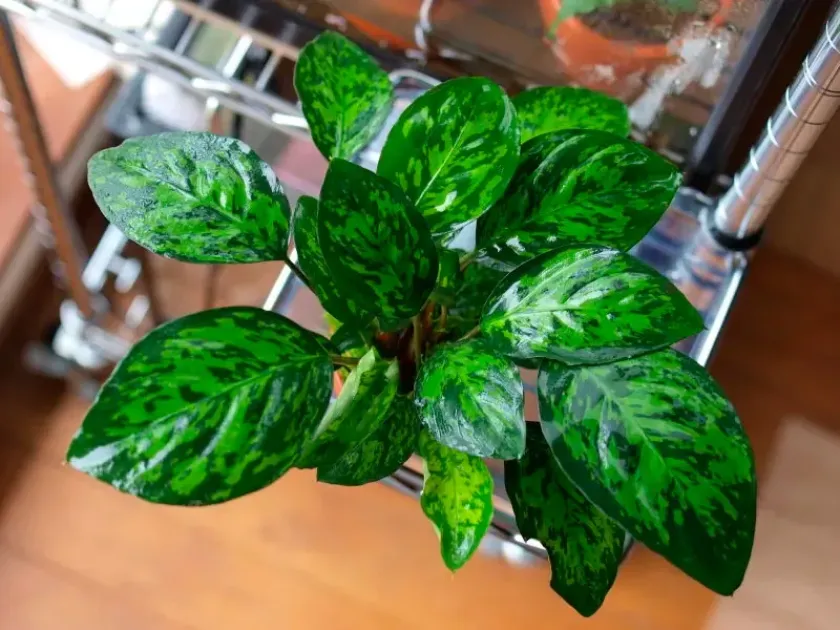
Description
Growing requirements
Piptospatha remiformis is a perennial herbaceous plant belonging to the Araceae family. Originating from the tropical rainforests of Borneo, it typically inhabits the rocky banks of fast-flowing streams, acting as a specialized rheophyte adapted to aquatic life.
The botanical structure of the plant features a robust rhizome and narrow, leathery leaves that are highly resilient to water currents. This unique morphology allows the plant to thrive in environments where other flora would be swept away, making it a distinct agricultural interest for aquascaping.
Cultivation requirements necessitate high humidity levels, ideally maintained between 70% and 90%. The plant flourishes in temperatures ranging from +22°C to +28°C, requiring a stable climate free from extreme fluctuations to prevent physiological stress.
The growing medium must be porous, well-draining, and rich in organic matter that mimics natural leaf litter. Growers typically use a substrate blend containing pine bark, perlite, and charcoal to ensure proper aeration and prevent anaerobic conditions around the root zone.
Light intensity should be kept low to moderate, strictly avoiding direct sunlight. In indoor setups such as terrariums or paludariums, providing diffused LED lighting is sufficient to promote healthy leaf development and root structure without causing cellular damage.
Main diseases and pests
The primary threats to this culture are bacterial and fungal infections resulting from waterlogging or insufficient gas exchange. Common pests include spider mites and mealybugs, which tend to proliferate if the environmental humidity drops below the recommended threshold for extended periods.