
Pinellia ternata
Pinellia ternata (Thunb.) Makino
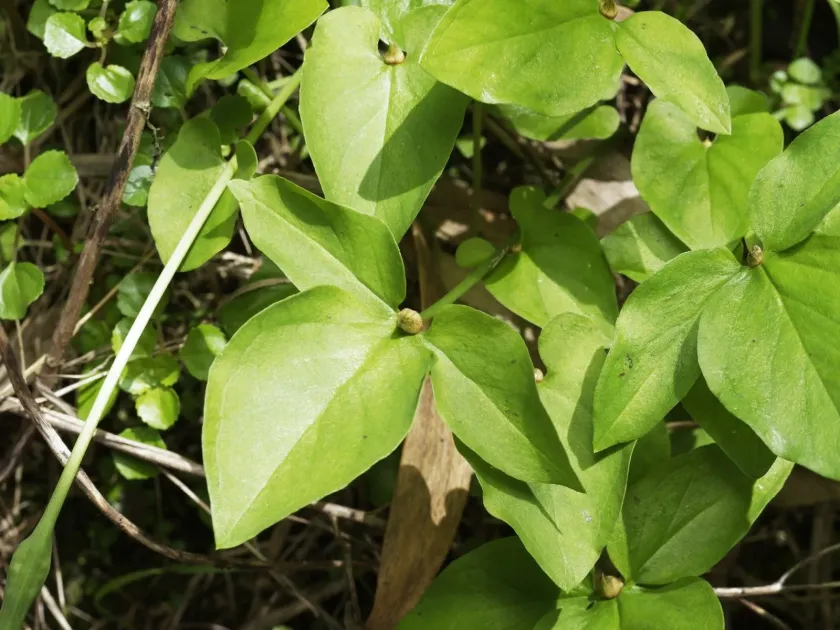
Description
Sowing dates
Planting of Pinellia ternata is typically carried out in spring when the soil temperature reaches 10–15 degrees Celsius. The optimal time for planting tubers falls in late March or April, depending on the climatic zone of the cultivation region.
Seeding is practiced less frequently due to the long germination period and the requirement for stratification. Seeds are sown in a prepared nutrient-rich substrate in protected soil, ensuring stable moisture and diffused light for seedlings.
For commercial cultivation, vegetative propagation using daughter tubers is preferred. This method allows for uniform emergence and significantly reduces the time required to reach a harvestable yield.
Planting density is calculated based on the intensity of the agro-technology applied, usually maintaining a distance of 15–20 centimeters between plants. The planting depth for tubers is between 3 and 5 centimeters.
Following planting, it is necessary to ensure regular irrigation to stimulate root development while avoiding waterlogging, which can cause tuber rot during the early stages of growth.
Growing requirements
Pinellia ternata is a herbaceous perennial from the Araceae family that prefers moist, yet well-drained, fertile soils. The crop performs best in light loams with a high organic matter content.
The plant requires a temperate climate with sufficient precipitation during the growing season. It is sensitive to extreme drought and direct scorching sunlight, which is why it is often cultivated in partial shade.
The optimal pH range for the soil solution for Pinellia is between 6.0 and 7.0. Soils must be well-aerated, as heavy clay substrates negatively impact the development of the root system.
In regions with cool summers, Pinellia develops actively at air temperatures of 20–25 degrees. When temperatures rise above 30 degrees, growth may slow down, requiring irrigation systems to maintain plant vigor.
The crop responds positively to the application of organic fertilizers, such as well-decomposed compost or humus, which are incorporated into the soil before deep tillage to improve physical properties.
Yield
The yield of Pinellia ternata is determined by the weight of harvested tubers, which serve as the primary raw material for the pharmaceutical industry. With proper agronomy, yields can reach several tons per hectare.
Maximum productivity is achieved in the second or third year after planting, when tubers reach commercial size. Harvesting too early results in a lower alkaloid content, reducing the plant's medicinal value.
Yield is significantly influenced by the level of maintenance, including regular inter-row cultivation and weed management, which compete with the crop for nutrients and moisture.
Proper drying of the raw material after harvest allows for stable product mass and prevents spoilage. Cleaned and dried tubers represent a stable asset in the medicinal plant raw material market.
The use of modern fertilizer methods and plant protection products allows for an increased proportion of high-quality tubers, minimizing losses from the discarding of small or damaged material.
Main diseases and pests
The most dangerous disease for Pinellia is soft rot of the tubers, caused by pathogenic bacteria under conditions of excessive soil moisture. The disease spreads rapidly in areas with poor aeration.
Pests such as wireworms and nematodes can damage underground parts of the plant, opening the way for secondary infections. Phytosanitary monitoring of the site before planting is essential.
Leaf pests, including aphids and spider mites, are less common but can cause significant damage to the plant's assimilation apparatus during dry periods, reducing photosynthetic activity.
To prevent the spread of fungal diseases, it is important to follow crop rotation and avoid returning Pinellia to the same site for at least three to four years.
Prevention includes using healthy planting material, treating tubers before planting, and timely removal of diseased specimens from the field along with the surrounding root zone soil.
Harvesting
Harvesting of Pinellia ternata begins after the natural senescence of the above-ground parts, when all nutrients have translocated into the tubers. This usually occurs in late autumn.
Tubers are extracted from the soil using mechanical means or by hand, depending on the scale of production. It is crucial to avoid mechanical damage, which makes the raw material vulnerable to rotting.
After extraction, the material is cleaned of soil and skin residue, washed in running water, and subjected to primary processing. In traditional medicine, soaking or lime treatment methods are often used.
Drying is performed in dryers with controlled temperature settings or under a shelter in a well-ventilated area. High-quality raw material should have a firm structure and a color typical for the variety.
After drying, the harvest is sorted into fractions based on tuber size. Larger fractions are processed, while smaller ones can be used as planting material for the following season.