
Aridarum montanum
Aridarum montanum
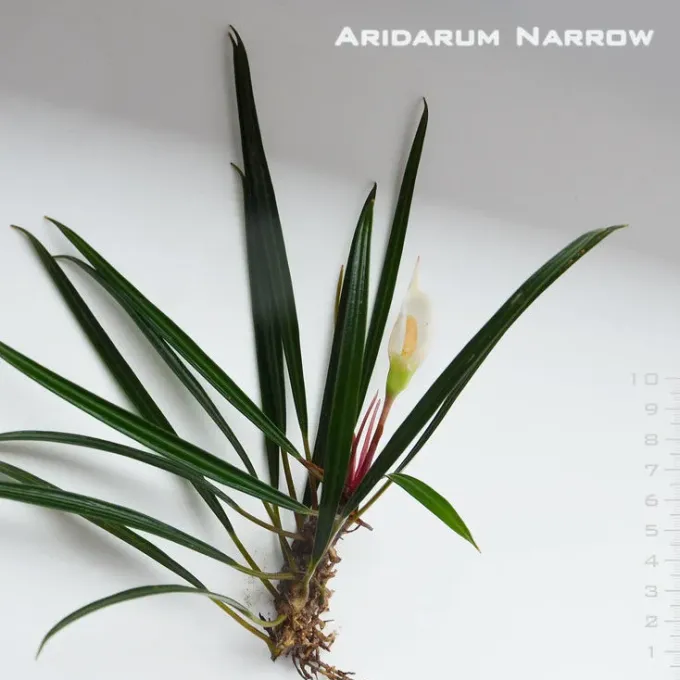
Description
Growing requirements
Aridarum montanum is a specialized rheophytic plant belonging to the Araceae family. Native to the tropical rainforests of Borneo, it has evolved to thrive in fast-flowing streams and on rocky riverbanks, adapting to high water current and humidity.
Cultivation requires replicating these specific ecological conditions. It is essential to provide a humid environment with ambient temperatures between 22 and 26 degrees Celsius. The plant should be attached to hardscape materials rather than planted in soil to avoid rot.
Botanically, it features a creeping rhizome and thick, leathery leaves designed to resist current. Its growth rate is generally slow, making it a highly sought-after specimen for advanced hobbyists and botanical collections focused on rare tropical flora.
Lighting requirements are moderate; the plant thrives best under diffused, indirect light. Direct exposure to intense light can lead to leaf scorching and physiological stress, which significantly impacts the plant's overall health and aesthetic appeal.
Proper water quality is paramount for successful growth. The use of soft water with regular, controlled nutrient supplementation is recommended. Adequate aeration in the root zone is crucial to ensure oxygen uptake and prevent the accumulation of toxins.
Main diseases and pests
Rhizome rot represents the most significant threat to Aridarum montanum. This condition is primarily caused by stagnant water, lack of oxygen in the root zone, or excessive burying of the rhizome in dense substrates that prevent healthy circulation.
Spider mites are common pests that affect the plant when ambient humidity levels are insufficient. Keeping the air moist and performing routine inspections of the foliage helps manage these outbreaks effectively before they cause significant damage.
Fungal infections can develop if the plant is kept in unsterile environments or provided with poor airflow. Maintaining hygiene in the growing space is critical to prevent pathogens from colonizing the rhizome or leaf tissues.
Nutrient deficiency is another common issue that manifests as chlorosis or stunted growth. Careful monitoring of nutrient levels in the water column is necessary to ensure the plant receives the essential minerals required for photosynthesis.
In aquatic setups, algae colonization on the leaf surface is a major issue that inhibits gas exchange and light absorption. Maintaining a proper balance of light and aquatic nutrients is the best defense against invasive algae growth.