
Amydrium medium
Amydrium medium
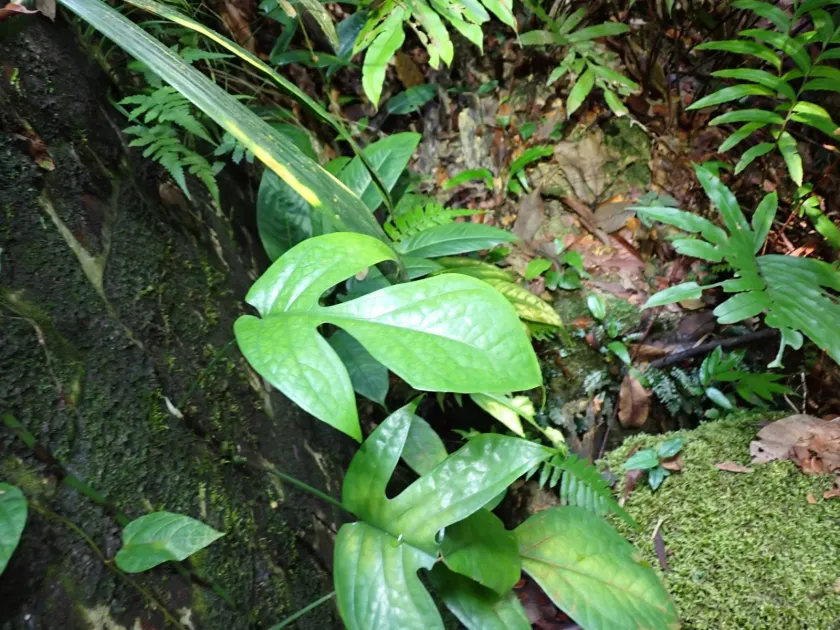
Description
Growing requirements
Amydrium medium is a sophisticated climbing vine belonging to the Araceae family. Native to the lush tropical rainforests of Southeast Asia, this plant has gained popularity among collectors for its distinct foliage and climbing growth habit.
The botanical structure of the plant features broad leaves that become progressively lobed as the plant matures. In nature, it acts as an epiphyte, using its aerial roots to anchor itself onto the trunks of trees and other structural supports in the understory.
Optimal growth requires a well-aerated, chunky substrate consisting of orchid bark, peat moss, and perlite. This mix ensures excellent drainage, which is crucial for preventing root suffocation and promoting healthy development of the plant's root system.
Temperature requirements remain consistent with its tropical origins, favoring an ambient environment between 20°C and 28°C. Protecting the plant from cold drafts and keeping it away from air conditioning vents is essential to maintain steady vegetative growth.
High humidity levels are non-negotiable for Amydrium medium. To replicate its native habitat, maintaining humidity levels above 65% is recommended, which can be achieved through the use of humidifiers or placing the plant in a terrarium setting for juvenile stages.
Main diseases and pests
The plant is susceptible to common houseplant pests such as thrips and scale insects. These pests often congregate on the undersides of leaves, and early detection is key; physical removal followed by neem oil treatment is typically an effective management strategy.
Root rot is the most significant threat to the health of Amydrium medium. It is often triggered by overly dense soil mixtures or consistent waterlogging, leading to yellowing leaves and wilting, which requires immediate repotting into fresh, airy medium.