
Amydrium sinense
Amydrium sinense
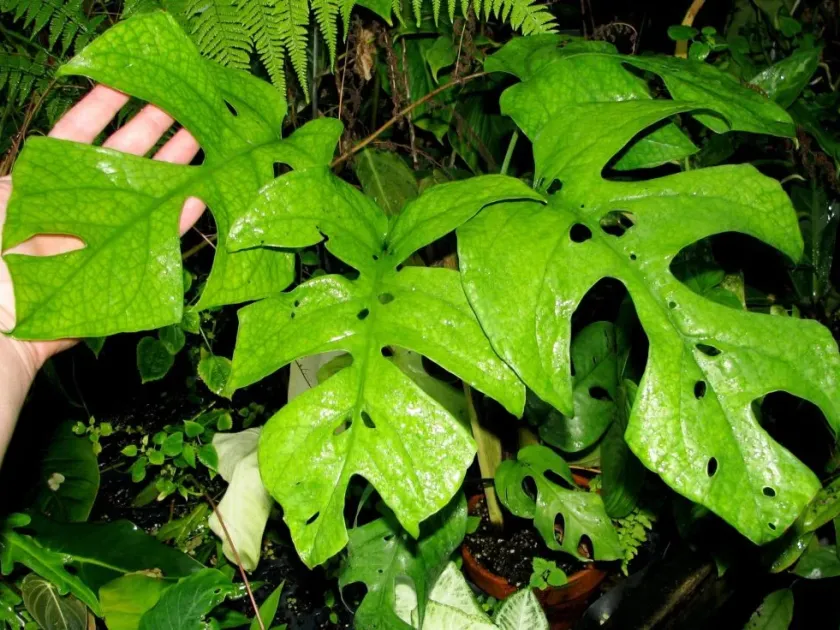
Description
Growing requirements
Amydrium sinense is a distinct perennial evergreen vine belonging to the Araceae family. Originating from the tropical forests of Southern China and Southeast Asia, this species is well-adapted to the understory, characterized by filtered sunlight and a humid microclimate, which defines its ecological niche.
Botanically, the plant is a hemi-epiphyte with climbing stems and large, often pinnately lobed leaves. In its natural habitat, it uses its adventitious roots to attach to trees, while in cultivation, it serves as a stunning structural element, provided that a suitable support structure is available for climbing.
The climate requirements for Amydrium sinense are strictly tropical. It thrives in high-humidity environments, ideally above 60%, and prefers temperatures ranging between 20°C and 26°C. While it is relatively shade-tolerant, it will show faster growth rates under bright, indirect light conditions.
When it comes to soil, the plant requires a well-draining, nutrient-rich, and aerated substrate. A typical professional mix for this species consists of high-quality peat, perlite, and pine bark. This composition mimics the natural forest floor litter, providing adequate moisture retention while allowing for essential root aeration.
The primary economic use of this plant is within the ornamental horticultural sector. It is highly sought after by collectors of exotic aroids and designers specializing in interior plantscapes. Its unique leaf morphology makes it a versatile plant for both aesthetic decoration and botanical education in controlled indoor environments.
Main diseases and pests
The most common pests affecting Amydrium sinense include spider mites, particularly in environments with poor ventilation or dry air. Regularly inspecting the undersides of the leaves and maintaining an optimal humidity level are effective ways to mitigate the risk of infestation by these organisms.
Root rot, often caused by Phytophthora or Pythium species, represents a major disease threat. This usually stems from poor substrate drainage or overwatering, which creates anaerobic conditions around the roots. Preventing water accumulation in the drainage saucer is vital for the long-term vitality of the plant.