
Amydrium humile
Amydrium humile
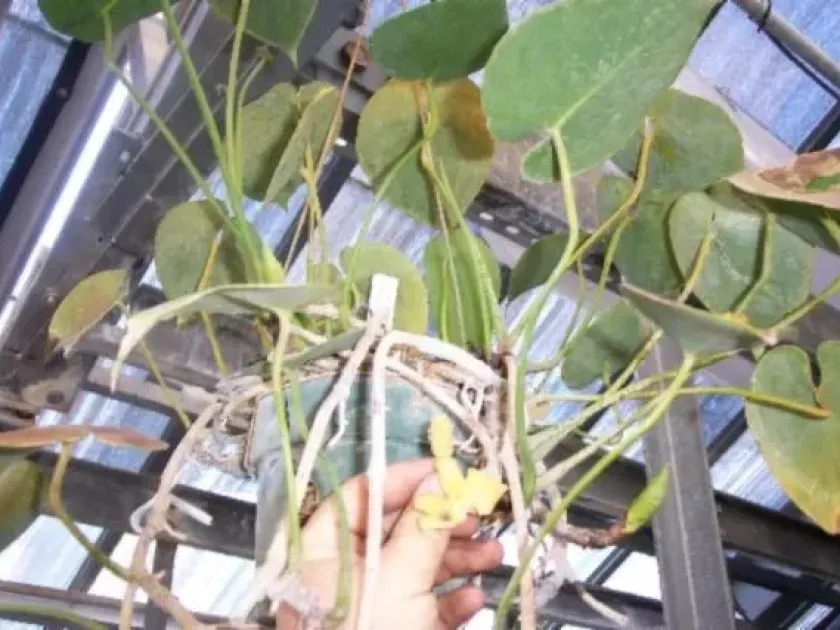
Description
Growing requirements
Amydrium humile is a distinctive member of the Araceae family, native to the tropical rainforests of Southeast Asia. It is widely recognized by botanists and collectors for its unique foliage and climbing growth habit.
As a tropical epiphyte, this plant thrives in environments that mimic its natural forest floor or tree-dwelling habitat. It requires high humidity levels consistently above 70% to maintain vibrant and healthy leaves, making it suitable for greenhouses or high-humidity interior spaces.
The ideal temperature for Amydrium humile ranges between 20°C and 26°C. It is sensitive to cold drafts and temperatures dropping below 15°C, which can lead to metabolic slowdown and tissue damage, particularly in younger specimens.
The potting medium must be highly porous and well-draining. A professional mix should consist of pine bark, perlite, coco peat, and charcoal. This composition prevents soil compaction and ensures adequate oxygen reaches the roots, which is critical for aroids.
Bright, indirect light is essential for optimal growth. While the plant can tolerate lower light levels, it will grow more slowly, and its foliage might lose some of its characteristic density and color intensity under poor lighting conditions.
Main diseases and pests
Spider mites are the most common pests affecting Amydrium humile, especially in dry indoor environments. They feed on the underside of leaves, causing yellowing and webbing that can significantly degrade the plant's aesthetic value.
Root rot is the primary physiological threat caused by overwatering or poor drainage. Excess water sitting in the substrate creates anaerobic conditions, leading to the rapid decay of the root system and eventual death of the plant.
Mealybugs can often infest the plant, settling in the leaf axils and along the stems. They extract plant sap and secrete honeydew, which can further attract sooty mold fungi, creating a complex problem for the grower.
Fungal leaf spot diseases may appear when air circulation is poor and humidity remains stagnant. These pathogens thrive on wet leaves; therefore, ensuring proper airflow around the canopy is a vital preventative measure.
To manage these threats, integrated pest management practices should be followed, including regular manual inspection and the use of insecticidal soaps or specialized fungicides when necessary. Early detection is the key to maintaining plant vitality.