
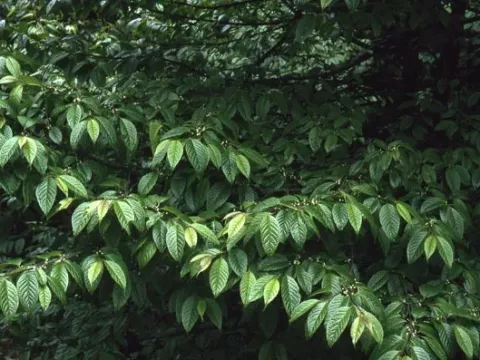
Brittle holly
Ilex fragilis
Brittle holly (Ilex fragilis) is a distinct species belonging to the Aquifoliaceae family, recognized for its evergreen foliage and inherently fragile growth habit. Native to the humid, montane forest regions of Asia, it thrives in environments characterized by constant moderate temperatures.
What the section contains
Brittle holly
Botanically, this species is defined by its slender, brittle branches which require careful handling during planting and maintenance. It is primarily valued in specialized horticultural collections for its elegant form and foliage persistence throughout the year.
To cultivate this species successfully, one must provide a soil medium that is acidic, well-draining, and rich in organic matter. A forest-floor-like substrate, mimicking its natural habitat, ensures that the roots do not encounter oxygen deficiency caused by waterlogging.
The climate requirements include a preference for high relative humidity and avoidance of direct, intense sunlight. Protection from strong winds is essential to maintain the integrity of its brittle branches, which can easily snap under environmental stress.
Consistent mulching is highly recommended to regulate soil temperature and moisture levels. This practice supports the plant's sensitive root system and minimizes the need for frequent soil cultivation, which could cause accidental damage to the branches.
The primary threats to Ilex fragilis include fungal infections such as leaf spot and anthracnose, which are prevalent in conditions of poor air circulation and excessive moisture on the foliage.
Pests such as scale insects and spider mites are known to infest the plant, particularly when it is stressed by improper environmental conditions or nutrient imbalances. Regular monitoring is necessary to prevent severe infestations.
Due to the plant's delicate structure, physical damage often acts as an entry point for pathogens. Careful pruning is necessary to remove dead or diseased wood, which serves as a reservoir for fungal spores.
Integrated pest management, including the use of horticultural oils and neem-based products, is preferred over harsh chemicals to protect the delicate leaf tissue from phytotoxicity.
Maintaining balanced fertilization is critical, as excessive nitrogen promotes rapid, weak growth that exacerbates the brittleness of the shoots, making them more susceptible to both physical breakage and insect attack.