
Canary Holly
Ilex canariensis
Description
Growing requirements
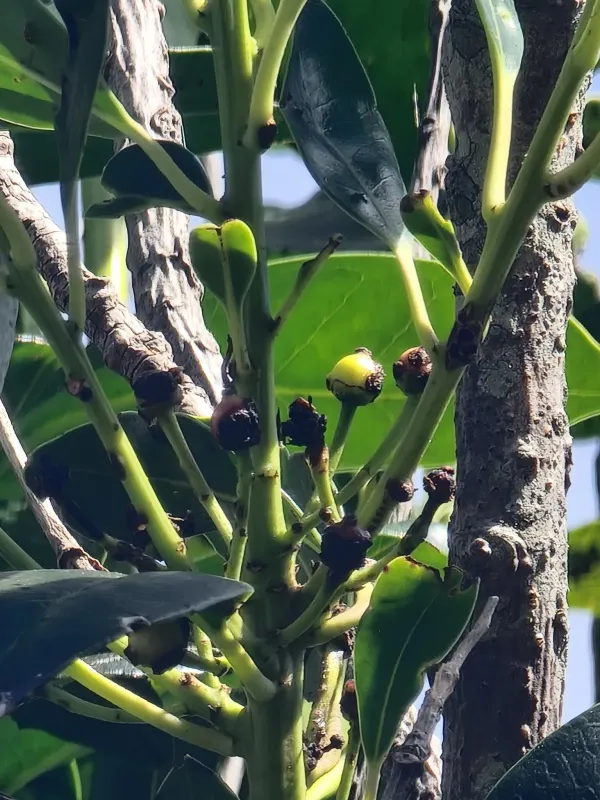
Canary Holly (Ilex canariensis) is an evergreen species within the Aquifoliaceae family. It is natively found in the Macaronesian region, specifically thriving in the humid laurel forests of the Canary Islands and Madeira.
The plant grows as a large shrub or small tree and requires a subtropical climate to maintain its vitality. It is highly sensitive to extreme drought and does not possess high frost tolerance, necessitating a protected environment in cooler zones.
Regarding soil requirements, it prefers slightly acidic to neutral substrates that are rich in organic matter. Good drainage is essential, as the roots are susceptible to rot if water accumulates in the root zone for an extended period.
Agronomic maintenance focuses on consistent irrigation during dry periods and protecting the foliage from excessive direct sunlight. While it can tolerate partial sun, dappled light is ideal for preventing leaf scorching and maintaining deep green coloration.
It is primarily utilized as an ornamental plant due to its dense, glossy foliage and small red drupes that appear throughout the year. Its presence adds a distinctive Mediterranean flair to gardens and sheltered park spaces.
Main diseases and pests
Root rot is a major threat to Canary Holly, usually triggered by poor drainage or overwatering. Once the root system begins to decay, the entire plant is at risk, making prevention through soil structure management critical.
Scale insects are common pests that attach themselves to the branches and leaves, draining the plant's resources. Infestations are often managed using horticultural oils or systemic insecticides applied during the active growth phase.
Aphids can target the young, tender shoots, causing curling and stunted development. Keeping the plant vigorous through balanced fertilization helps it recover more effectively from minor pest attacks.
Fungal leaf spot diseases can occur in environments with low air circulation and high humidity. Pruning to maintain airflow within the canopy helps significantly in reducing the risk of fungal outbreaks.
Regular monitoring for symptoms of nutrient deficiency, such as yellowing leaf margins, allows for quick intervention. Providing a stable environment is the foundation for avoiding most biological threats to this species.