
Chinese holly
Ilex chinensis
Description
Growing requirements
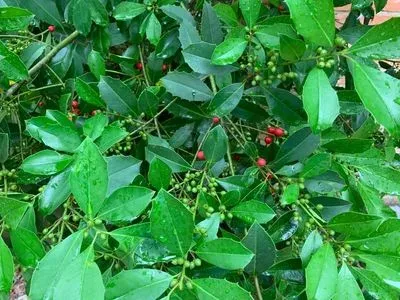
Chinese holly (Ilex chinensis) is an evergreen shrub or small tree belonging to the Aquifoliaceae family. Native to the subtropical regions of China, this plant is well-regarded for its glossy, dark green foliage and potential to serve as a high-quality ornamental specimen.
The plant thrives in subtropical climates, requiring protection from extreme frost and harsh winter winds. While it shows some adaptability, its ideal temperature range for vigorous growth is typically between 18°C and 25°C, making it suitable for moderate climatic zones.
Regarding soil requirements, Ilex chinensis demands fertile, well-draining soil with an acidic to neutral pH level. Waterlogged conditions are detrimental to the plant, as poor drainage significantly increases the risk of root rot and other fungal diseases.
Partial shade is the preferred exposure for Chinese holly. While it can tolerate some sun, intense direct light can scorch the leaves. Providing dappled light or morning sun with afternoon shade ensures the best development and coloration of the foliage.
Cultural practices include consistent but moderate watering and the application of balanced, slow-release fertilizers during the spring. Pruning is essential not only for aesthetic shaping but also to encourage denser branching and healthy air circulation within the canopy.
Main diseases and pests
The primary threats to Ilex chinensis involve fungal pathogens such as leaf spot and anthracnose. These diseases are most prevalent in high-humidity environments and can be mitigated by ensuring proper spacing between plants and avoiding overhead irrigation.
Scale insects and mealybugs are the most common pests affecting this species. They feed on plant sap, leading to weakened growth and unsightly sooty mold development. Regular inspection of leaf undersides is crucial for early detection and control.
In greenhouse or indoor environments, spider mites may become a challenge, especially if the air is too dry. Maintaining moderate humidity levels and washing the foliage periodically helps deter these pests from establishing significant populations.
Root system health should be protected against soil-borne pathogens by maintaining proper irrigation schedules. Overwatering is the most common cause of decline, so checking soil moisture before applying water is a standard professional practice.
Integrating a preventative pest management program that utilizes organic or systemic insecticides as needed will keep the plants in top condition. Always follow the manufacturer's guidelines to prevent phytotoxicity when applying treatments.
Harvesting
The primary application of Chinese holly is in professional landscaping, where it is utilized for decorative hedges, border plantings, and topiary. Its ability to tolerate frequent shearing makes it a versatile tool for gardeners and landscape architects.
The bright red berries produced by the plant are frequently harvested for decorative floral arrangements, especially during the winter season. It is vital to note that these berries are toxic if ingested and should be kept away from children and pets.
When used in container gardening, Ilex chinensis requires repotting every few years to replenish nutrients and allow for root expansion. This practice ensures long-term vitality for plants kept on patios or in conservatories.
In certain contexts, extracts from the plant have been explored for traditional medicinal use, although this remains secondary to its horticultural significance. Any harvest for potential use must prioritize plant health and ethical sourcing.
Ultimately, Chinese holly remains a staple in regional nursery production due to its consistent foliage quality and structural elegance. Proper maintenance ensures that the plant remains a perennial asset in any designed outdoor space.