
Tilingia tsusimense
Tilingia tsusimense
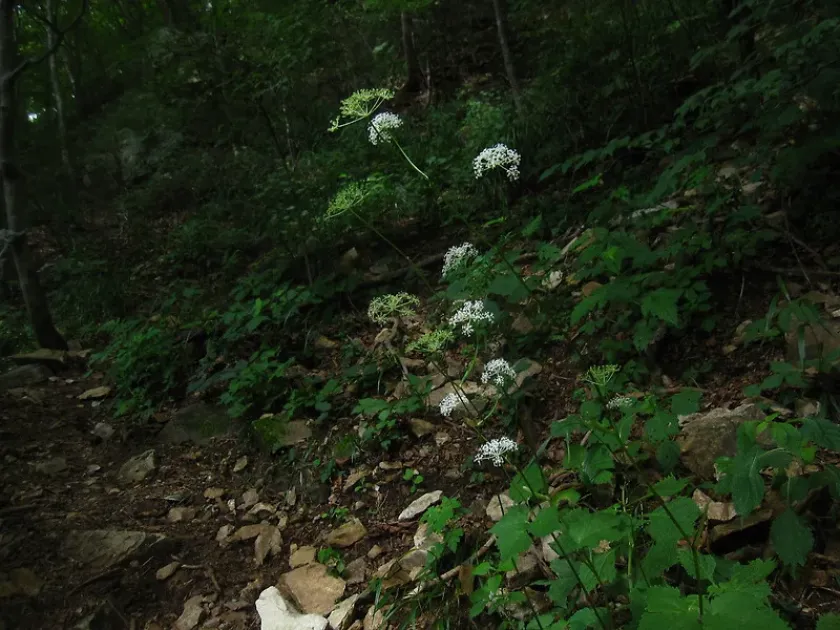
Description
Sowing dates
Tilingia tsusimense belongs to the Apiaceae family and is adapted to specific temperate environments. For successful germination, seeds usually require a cold stratification process, making late autumn sowing the most natural and effective method in most regions.
When spring sowing is planned, seeds must be soaked in growth stimulants for at least 24 hours to break dormancy. Sowing depth should remain shallow, typically around 1 cm, as the seeds rely on sufficient moisture rather than burial to initiate the sprouting process.
Row spacing should be set between 45 and 60 cm to allow for proper airflow and space for vegetative expansion. Mechanical cultivation is easier with wider rows, which helps in managing weed pressure during the early establishment phase.
The plant thrives best when initially protected from direct midday sun during the seedling stage. Once established, it requires full access to sunlight to synthesize its unique phytochemical compounds.
Uniformity in emergence is key to a successful harvest. Farmers often use light mulch covers to maintain soil surface moisture, which significantly improves the survival rate of young seedlings during dry spells.
Growing requirements
Tilingia tsusimense prefers well-drained loamy soils with a near-neutral pH balance. High soil fertility is essential, and incorporating well-decomposed organic matter prior to planting provides the necessary nutrient base for robust growth.
Water management is critical; while the plant requires consistent moisture, it is highly sensitive to waterlogging. Elevated garden beds or fields with excellent drainage systems are recommended to prevent root damage.
The plant performs best within a temperature range of 15°C to 22°C. While it is hardy, extreme heat during mid-summer can induce premature flowering, which reduces the vegetative yield of the plant.
Balanced fertilization, specifically targeting phosphorus and potassium levels, helps in strengthening the root system and improving the plant's overall resilience to environmental stressors.
Maintenance involves frequent inter-row hoeing to prevent crust formation on the soil surface. This aeration process is vital for root oxygenation, which indirectly influences the quality of the harvested produce.
Main diseases and pests
Powdery mildew is the most common fungal threat, especially during seasons with high humidity and stagnant air. Regular monitoring and targeted fungicide applications are recommended to keep infection levels low.
Aphids and spider mites are typical pests that can infest the crop, causing stunted growth and leaf curling. Integrated pest management (IPM) strategies, including the use of beneficial insects, are encouraged.
Root rot, caused by various soil-borne pathogens, often results from poor drainage or over-irrigation. Proper rotation protocols must be strictly followed to minimize the buildup of these pathogens in the field.
Slugs and snails are notorious for consuming young sprouts in early spring. Installing physical barriers or using pet-safe molluscicides can provide the necessary protection for the delicate seedlings.
Viral infections can sometimes occur, often transmitted by sap-sucking insects. Using certified clean seeds and maintaining a weed-free perimeter around the field helps to mitigate the risk of disease spread.