
Corn parsley
Sison segetum
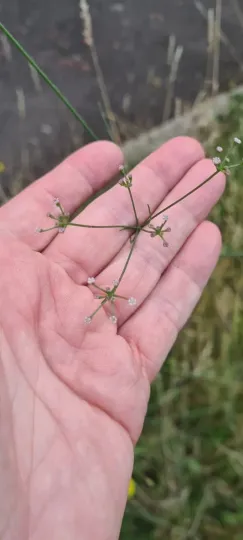
Description
Sowing dates
Corn parsley, scientifically known as Sison segetum, is a biennial herb belonging to the Apiaceae family, native to regions with temperate climates.
Successful cultivation begins with sowing seeds in early spring as soon as the soil can be worked, as the plant prefers cooler temperatures for germination.
Seeds are relatively slow to germinate due to natural inhibitors, so soaking them in water for a day before planting is a recommended practice to improve uniformity.
For optimal development, seeds should be sown in rows spaced approximately 20 to 30 centimeters apart to allow for proper air circulation between plants.
Thinning is necessary once the seedlings have established their first true leaves, ensuring that individual plants have enough space to develop their foliage.
Growing requirements
This crop thrives in well-drained, fertile soil rich in organic matter and maintains a neutral pH balance, which is essential for nutrient uptake.
While it tolerates partial shade, Corn parsley performs best in full sun, which enhances the concentration of aromatic oils in the leaves and roots.
Consistent moisture levels are critical throughout the growing season, though the soil must never be waterlogged to prevent the risk of root rot.
The plant requires moderate fertilization; a balanced nitrogen-phosphorus-potassium ratio supports the development of lush, healthy foliage.
Protection from severe frost is recommended in the first year to ensure the plant successfully overwinters if it is being grown for second-year seed production.
Main diseases and pests
The most common disease affecting this crop is powdery mildew, characterized by a white, dusty fungal growth on the leaves, usually appearing in humid conditions.
Septoria leaf spot can also cause significant damage, manifesting as irregular brown patches that diminish both the appearance and quality of the herbs.
Pest pressures include aphids and carrot rust flies, which can attack the roots and stems, leading to stunted growth or total plant failure.
Integrated pest management strategies, such as crop rotation and the use of natural predators, are highly effective in mitigating these threats.
Keeping the area free from weeds reduces the competition for resources and limits the habitats where pests and pathogens typically thrive.
Harvesting
The harvest primarily involves gathering the aromatic leaves throughout the growing season, which are used fresh or dried for culinary purposes.
Root harvesting is performed at the end of the first growing season when the roots have reached a substantial size and flavor profile.
Careful excavation of the roots ensures that they remain intact, allowing for better storage conditions in cool, dark, and slightly humid environments.
Leaves are best harvested in the morning after the dew has evaporated, which ensures the highest concentration of essential oils and freshness.
After the harvest, proper processing methods like air-drying in the shade or controlled dehydration are essential to preserve the plant's unique flavor.