
Stone parsley
Sison amomum
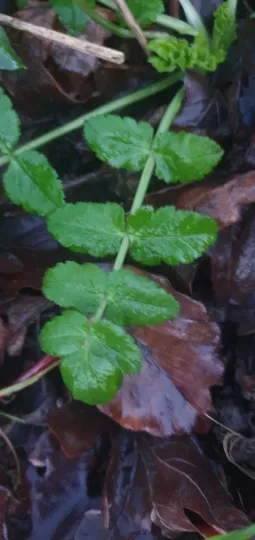
Description
Sowing dates
Stone parsley (Sison amomum) is a biennial or annual aromatic herb belonging to the Apiaceae family. Sowing is typically carried out in early spring as soon as the soil is workable, or in late autumn for an earlier start in the following season.
Seeds should be sown at a depth of 1–2 centimeters in well-prepared, fine-textured soil. Because the seeds are relatively small, maintaining adequate soil moisture is crucial during the germination period to ensure uniform emergence.
For commercial production, a row spacing of 40–50 centimeters is recommended. This spacing allows for mechanical weeding and ensures that each plant receives sufficient sunlight and air circulation to prevent fungal issues.
The germination process can be slow compared to other garden crops. Utilizing row markers and keeping the seedbed free from early-season weed competition are standard practices to support strong initial development.
Proper plant density is essential for achieving high yields. Depending on the intended use—whether for fresh greens or seed harvesting—the spacing can be adjusted to maximize the productive area of the field.
Growing requirements
Stone parsley thrives in locations with full sun exposure, although it displays some tolerance to partial shade. Sunny conditions are particularly important for stimulating the production of essential oils, which give the plant its characteristic aroma.
The crop performs best in fertile, well-drained loamy or sandy loam soils. It is highly sensitive to waterlogged conditions, so fields must have excellent drainage to prevent root rot and other physiological disorders.
While the plant is relatively hardy, it prefers a moderate climate with temperatures between 18 and 22 degrees Celsius. Extreme heat during the flowering phase can shorten the growing season and reduce seed quality.
Regular irrigation is necessary, especially during dry spells in the vegetative stage. However, care should be taken to avoid over-irrigation, which can dilute the aromatic profile of the harvested plant material.
Soil preparation should involve incorporating organic matter to improve structure and nutrient content. A neutral to slightly alkaline soil pH is ideal for the optimal uptake of micronutrients essential for the growth of Apiaceae.
Yield
The yield of Stone parsley varies based on local climatic conditions and the intensity of management practices. High-quality production requires consistent attention to soil fertility and moisture management throughout the growing cycle.
When grown for seeds, the plants should be harvested when the seeds reach full maturity and the umbels begin to brown. Timely harvesting is essential to prevent significant losses due to natural seed shattering.
Average yields for seeds are typically competitive within the niche market for culinary and medicinal herbs. Proper post-harvest handling, including drying in a well-ventilated, shaded area, is critical to preserve its market value.
Efficiency in harvesting and processing determines the final profitability of the crop. Utilizing appropriate machinery for harvesting can significantly reduce labor costs and ensure a cleaner product with fewer impurities.
Sustainable cultivation practices, including careful selection of planting dates and nutrient management, allow producers to achieve high yields and consistent product quality for diverse culinary and industrial applications.
Main diseases and pests
Like many members of the Apiaceae family, Stone parsley is susceptible to powdery mildew and various leaf spot diseases. These are often triggered by high humidity levels and lack of ventilation within the crop canopy.
Pests such as aphids and carrot flies can cause substantial damage to the crop. These insects target the stems and leaves, weakening the plants and negatively impacting the quality and quantity of the aromatic greens.
Integrated Pest Management (IPM) strategies are recommended to mitigate these risks. This includes the use of biological controls, physical barriers, and targeted pesticide applications when necessary to protect the harvest.
Crop rotation is a fundamental practice to prevent the build-up of soil-borne pathogens and pests. Rotating Stone parsley with non-Apiaceae species every three to four years effectively breaks the disease cycle.
Regular monitoring of the field is necessary for early detection of potential outbreaks. Removing and disposing of infected plant debris after harvest is a vital sanitary measure to reduce the risk of future infestations.