
Pterygopleurum neurophyllum
Pterygopleurum neurophyllum
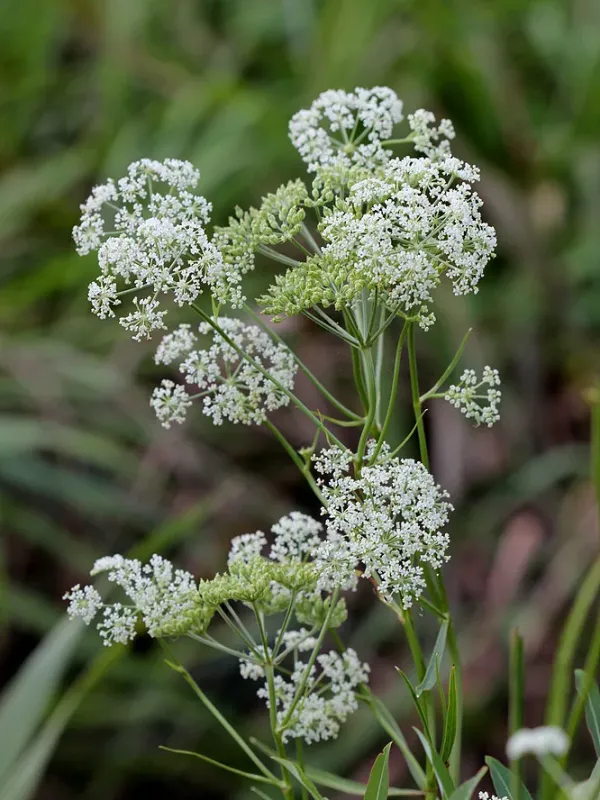
Description
Growing requirements
Pterygopleurum neurophyllum is a perennial herb belonging to the Apiaceae (carrot) family. It is a rare botanical species primarily found in specific wetland habitats of Eastern North America.
The plant demonstrates a strong preference for saturated soil conditions. In agricultural or conservational settings, it is essential to replicate its natural habitat by providing consistent moisture levels near the root zone.
Requirements for light exposure include partial shade. The species is susceptible to thermal stress when exposed to intense, direct sunlight, which makes the choice of location critical for its long-term survival.
Soil composition should be rich in organic matter, preferably loamy or silty textures that ensure good moisture retention. Maintaining an appropriate chemical balance with slightly acidic pH is beneficial for nutrient uptake.
Cultivation practices involve creating a stable environment where groundwater levels remain accessible. The species is not suited for intensive mechanical farming and thrives best under conditions that mimic natural floodplains.
Main diseases and pests
The main threat to the species is the alteration of its native habitat, specifically through wetland drainage and landscape development. This makes the plant highly vulnerable to environmental degradation.
Pathogenic fungi and root rot are the primary health threats to the plant, particularly if the soil becomes stagnant or poorly aerated during periods of high humidity and heat.
Invasive weed competition is another significant factor that inhibits the growth of Pterygopleurum. Rapidly spreading invasive species can outcompete it for light and nutrients in its early developmental stages.
Insects typical of the Apiaceae family, such as aphids or specific moth larvae, may cause damage to the foliage. However, such infestations are often secondary to the stress caused by unsuitable environmental conditions.
Proactive management includes monitoring soil hygiene and preventing the introduction of pathogens through contaminated equipment or water sources to ensure the longevity of the plant population.