
Heptaptera
Heptaptera
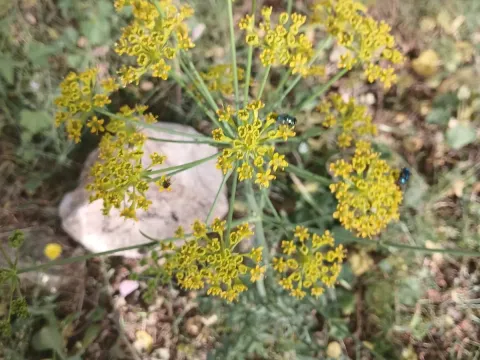
Heptaptera is a genus of perennial herbaceous plants belonging to the Apiaceae family. These plants are typically adapted to the specific ecological conditions of the Mediterranean basin and surrounding arid regions.
What the section contains

Heptaptera
The culture requires high levels of solar radiation to sustain its metabolism. It is well-suited for open fields where it can receive direct sunlight throughout the majority of the day during its active growing season.
Soil quality is paramount; Heptaptera thrives in well-drained, sandy, or calcareous soils. It is highly sensitive to waterlogging, which can cause rapid root decay and plant mortality in poorly managed fields.
Climate adaptability of the genus allows it to survive in environments with high temperature fluctuations, provided there is sufficient air circulation to prevent excessive humidity around the foliage.
Agricultural management should focus on maintaining soil structure and preventing crust formation after rainfall. Proper spacing between rows is essential for machine cultivation and to ensure adequate sunlight penetration for individual plants.
The cultivation of Heptaptera is currently niche, with agricultural focus on its potential as an essential oil crop or a medicinal botanical. Yields are primarily measured in biomass per hectare under controlled conditions.
The total yield is largely dictated by the longevity of the plant and its ability to regenerate after periodic harvesting of the aerial parts. Proper harvesting timing is crucial to maximize secondary metabolite content.
Studies suggest that biomass accumulation follows a slow start in the first year, with peak yields occurring in subsequent years as the root system matures and establishes itself in the soil.
Post-harvest processing, including drying and extraction, significantly influences the final value of the crop. Controlled temperatures during drying are essential to preserve the biological activity of the plant compounds.
Future agricultural success depends on selecting genotypes that exhibit uniform growth patterns and resistance to local environmental stresses encountered during the production cycle.
The most significant threats to Heptaptera are fungal pathogens, particularly those affecting the root and collar areas due to inadequate soil drainage or prolonged high moisture content in the rhizosphere.
Pests such as aphids and leafhoppers pose a risk by acting as vectors for viral diseases, which can significantly stunt the growth of the plants and reduce overall quality and vigor.
Integrated Pest Management (IPM) strategies, including the use of beneficial insects and resistant cultivars, are recommended to maintain plant health without relying on excessive chemical inputs.
Environmental stress, such as unseasonal frosts or extreme heat waves, can predispose the plants to opportunistic secondary infections, requiring vigilant monitoring of field conditions.
- Regular field scouting for early signs of chlorosis or wilting.
- Proper removal and disposal of infected plant debris.
- Use of sterile propagation materials to prevent soil-borne pathogens.