
Heptaptera anisopetala
Heptaptera anisopetala
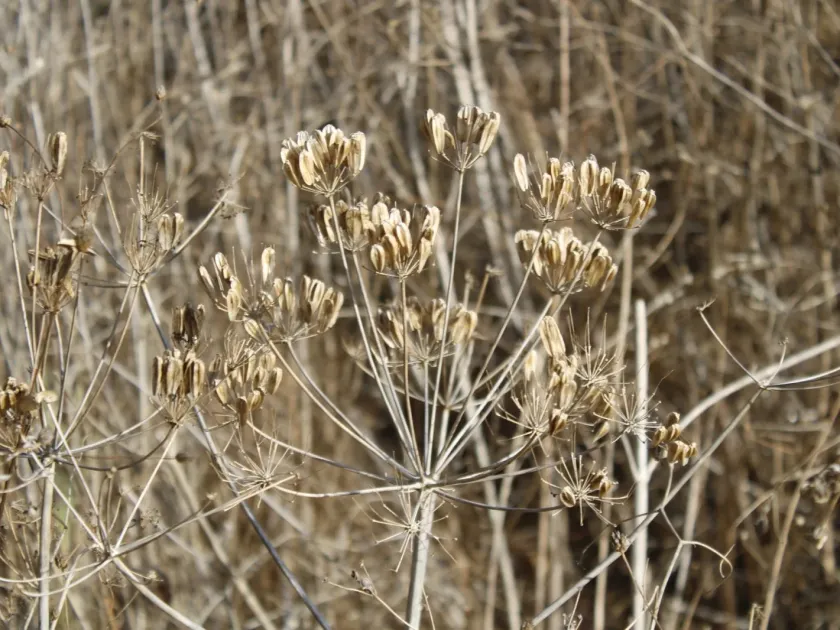
Description
Growing requirements
Heptaptera anisopetala is a perennial herbaceous plant belonging to the Apiaceae family. It is a rare species native to the Middle East and Mediterranean regions, valued for its unique botanical profile and potential utility in specialized herb production.
The plant demonstrates a strong preference for well-drained, porous soils. It thrives in stony or sandy substrates where the risk of water stagnation is minimal. Heavy clay soils are generally unsuitable as they lead to root oxygen deprivation and subsequent decay.
Climate requirements include high solar exposure throughout the growing season. The plant is well-adapted to hot, dry summers, reflecting its evolutionary origin in arid environments where water availability is periodic.
During the establishment phase, irrigation management is critical. While mature plants are drought-tolerant, seedlings and young plants require consistent soil moisture to develop a deep and effective root system that will sustain the plant in later years.
Cultural practices involve maintaining a clean field free of competing weeds. Given the plant's slow initial growth rate, mechanical or manual weeding in the early stages is essential to ensure that the seedlings establish successfully without competition for resources.
Main diseases and pests
The most significant threats to Heptaptera anisopetala are fungal pathogens affecting the root system. Over-irrigation or poor drainage creates conditions favoring root rots, which are the primary cause of crop failure in cultivated environments.
Leaf-feeding insects, such as aphids, can cause significant stress during the active growth phase. Infestations lead to reduced vigor and create entry points for secondary infections, which can severely impact the quality of the harvested material.
Powdery mildew represents a persistent risk, especially in environments where humidity levels fluctuate significantly. Adequate spacing between plants to improve air circulation is a primary preventive measure against fungal spread.
In terms of pest control, integrated pest management (IPM) strategies are recommended. This involves:
- monitoring population thresholds;
- using biological controls where feasible;
- applying targeted treatments only when necessary.
Soil-borne nematodes also present a threat in continuous cropping systems. To mitigate this risk, it is vital to implement a strict rotation schedule, ensuring that the land is rested or planted with non-host crops to break the life cycle of these pathogens.