
Huetia cynapioides
Huetia cynapioides
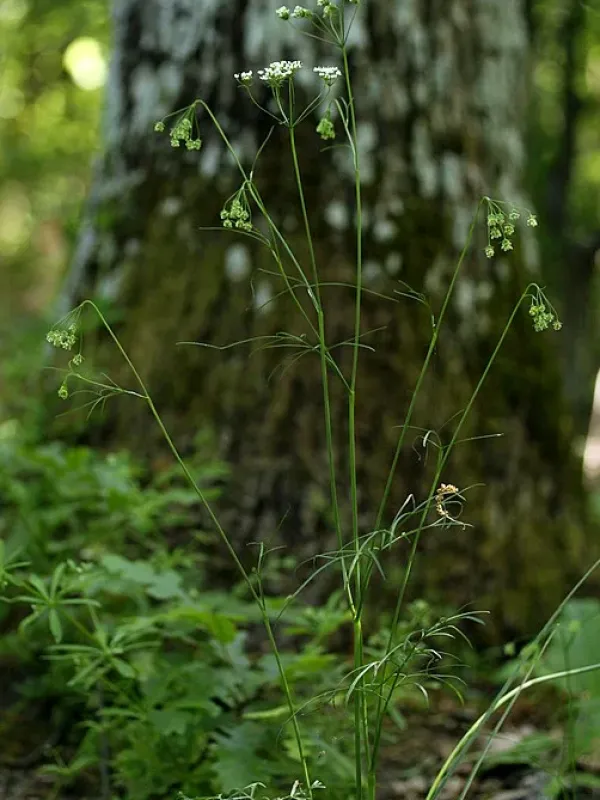
Description
Sowing dates
Huetia cynapioides is a perennial herbaceous plant belonging to the Apiaceae family. In its natural habitat, the seeds require a period of cold stratification, which mimics the winter cycle and triggers the physiological processes necessary for successful germination.
For agricultural purposes, it is recommended to sow the seeds in late autumn to ensure natural stratification. Alternatively, seeds can be cold-stratified in a refrigerator for several weeks before spring sowing to achieve high and uniform germination rates.
The seeds should be covered with a very thin layer of soil or fine compost, as they require some light for optimal development. Planting depth should not exceed 1 centimeter to ensure the seedlings can reach the surface easily.
The optimal temperature for seed germination ranges from 10 to 15 degrees Celsius. Maintaining consistent soil moisture during the first few weeks after sowing is crucial for the survival of emerging seedlings, which are sensitive to desiccation.
Once seedlings have developed several true leaves, they should be thinned to allow for adequate spacing. A spacing of 30 to 45 centimeters between plants promotes healthy air circulation and reduces the risk of fungal outbreaks in the leaf rosette.
Growing requirements
Huetia cynapioides thrives in well-drained, fertile loam soils. The plant is highly sensitive to waterlogging, so selecting an site with good aeration and proper drainage is essential for preventing root rot and ensuring long-term plant health.
The species prefers full sun to light shade. While it can tolerate partial shade, exposure to consistent sunlight usually results in more robust growth and higher concentration of essential compounds within the plant tissues.
Water requirements are moderate. While the plant possesses a degree of drought tolerance, regular irrigation is advised during active growth phases to maximize biomass production and support the development of the flowering stalks.
The plant is well-adapted to temperate climates and demonstrates significant cold hardiness during its dormant winter phase. In regions with harsh winters, a protective layer of mulch can help shield the crown from extreme temperature fluctuations.
Fertilization should be handled carefully, as excessive nitrogen can lead to succulent growth that is more susceptible to pests. A balanced application of organic matter or compost before planting is generally sufficient to meet the plant's nutritional needs.
Main diseases and pests
The primary threats to Huetia cynapioides cultivation involve fungal pathogens such as powdery mildew, which can thrive in humid conditions where air circulation is restricted. Monitoring for early signs of white mycelium on leaves is recommended.
Root rot is a major risk in heavy, compacted soils or areas with poor water management. Implementing a robust drainage system and maintaining proper soil structure are the most effective preventative measures against this issue.
Insect pests, including aphids and leaf-eating beetles, may occasionally infest the plants. Integrated pest management strategies, such as the introduction of beneficial insects or biological sprays, are effective for controlling these outbreaks.
Weed competition is a significant concern during the early establishment phase. Since the plant has a relatively slow initial growth rate, regular mechanical weeding is necessary to prevent weeds from outcompeting the crop for nutrients and light.
- Crop rotation to reduce soil-borne pathogen levels.
- Removal of infected debris at the end of the season.
- Avoidance of overhead irrigation to keep leaves dry.