
Cumin
Cuminum cyminum L.
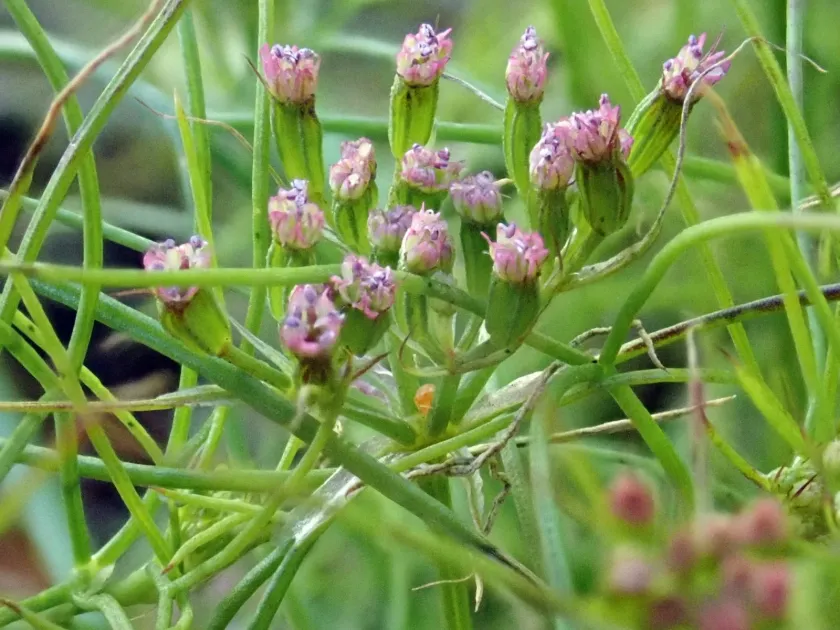
Description
Sowing dates
Cumin (Cuminum cyminum) sowing is performed in well-warmed soil once the risk of night frosts has passed. The optimal temperature for seed germination is between +20°C and +25°C.
In temperate climates, seeds are sown outdoors in late spring after preparing a light substrate. The seeds should be planted at a depth of no more than 1–2 centimeters to ensure uniform emergence.
The crop is characterized by slow initial growth, so it is essential to ensure timely weeding during the early stages of development. The recommended planting scheme involves row spacing of 30–45 centimeters.
To accelerate germination, seeds can be soaked in water for 10–12 hours before planting. In southern regions, winter sowing is possible if temperatures are consistently low enough to prevent premature germination.
The seeding rate depends on soil fertility and is approximately 8–12 kg of seeds per hectare for row planting. Maintaining moisture in the topsoil is crucial until the first pair of true leaves forms.
Growing requirements
Cumin is an annual herbaceous plant belonging to the Apiaceae family, native to the Eastern Mediterranean and the Middle East regions.
The crop has high requirements for sunshine and warmth, preferring open, sunny areas without shading. The plant is extremely sensitive to excess moisture and sharp temperature fluctuations.
The best soils for growing cumin are light loams or sandy soils with a neutral pH and excellent drainage. Heavy clay soils hinder root system development and provoke rotting.
During the active growing season, the plant has moderate water needs; however, its drought tolerance increases during the flowering and seed-setting phases. Excessive watering during this period negatively impacts essential oil content.
For high yields, fertile soils enriched with organic matter are necessary, though excess nitrogen fertilizers may cause excessive vegetative growth at the expense of seed quality.
Yield
Average cumin yields under optimal agricultural practices range from 0.5 to 1.2 tons of seeds per hectare. These indicators depend heavily on weather conditions during the flowering period.
Maximum yields are achieved in well-drained fields with controlled drip irrigation in arid zones. Cleanliness of the fields from weeds is a key success factor.
The crop responds well to phosphorus-potassium fertilization, which promotes better fruit ripening. Timely harvesting without leaving the plants in the field for too long helps minimize losses from shattering.
The economic efficiency of cumin cultivation is driven by the high market value of the final product as a spice. Harvest quality is evaluated based on the aromatic profile and seed purity.
To stabilize yields in regions with unstable climates, the use of regionalized varieties with resistance to stress factors is recommended.
Main diseases and pests
The primary threats to cumin include fungal diseases such as Fusarium wilt and powdery mildew, which occur in high humidity conditions.
Root rot is the most common problem, making strict adherence to irrigation schedules and crop rotation a mandatory condition for protecting the harvest.
Among pests, aphids and spider mites cause the most damage, thriving in hot and dry climates by sucking sap from young shoots.
For disease prevention, it is recommended to conduct pre-sowing seed treatment with approved fungicides and maintain spatial isolation from other umbelliferous crops.
- Use of biological preparations for plant protection.
- Strict adherence to crop rotation (do not return to the same field for at least 3–4 years).
- Regular monitoring of crop status during the budding phase.
Harvesting
Cumin harvesting begins when the fruits turn a characteristic brownish hue and the plant begins to yellow. It is important not to allow complete drying to avoid losses during harvesting.
The harvesting process is usually mechanized and involves cutting the plants followed by threshing. In smaller farms, manual cutting followed by drying in the shade is acceptable.
After threshing, the seeds undergo thorough cleaning to remove impurities and plant residues, as purity directly affects market value and shelf life.
Post-harvest drying is conducted in well-ventilated areas until the seed moisture content reaches 8–10%. This prevents product spoilage during long-term storage.
Properly dried cumin seeds retain their organoleptic properties and high essential oil concentration for several years if stored in airtight containers.