
Bourgati's Sea Holly
Eryngium bourgatii
Description
Sowing dates
Bourgati's Sea Holly is a perennial plant that is best propagated from seeds. The most effective method is sowing seeds outdoors in autumn, as they require a period of natural winter chilling, known as stratification, to break dormancy.
If you prefer spring sowing, it is essential to mimic winter conditions by storing seeds in a refrigerator for at least four to six weeks. This ensures that germination will be uniform and successful once the seeds are sown in a warm environment.
For container-grown seedlings, use a well-draining, sandy mix. Sow seeds shallowly, covering them lightly with substrate, and maintain consistent but moderate moisture levels to encourage healthy development of the taproot system.
Transplanting seedlings should be handled with care to avoid root damage. Once the plants are established, they should be spaced approximately 30 to 40 cm apart to allow for proper airflow and mature growth.
Early preparation of the planting site is recommended. By providing a loose, debris-free soil, you ensure that the young seedlings can establish their deep root system quickly, which is crucial for their long-term survival.
Growing requirements
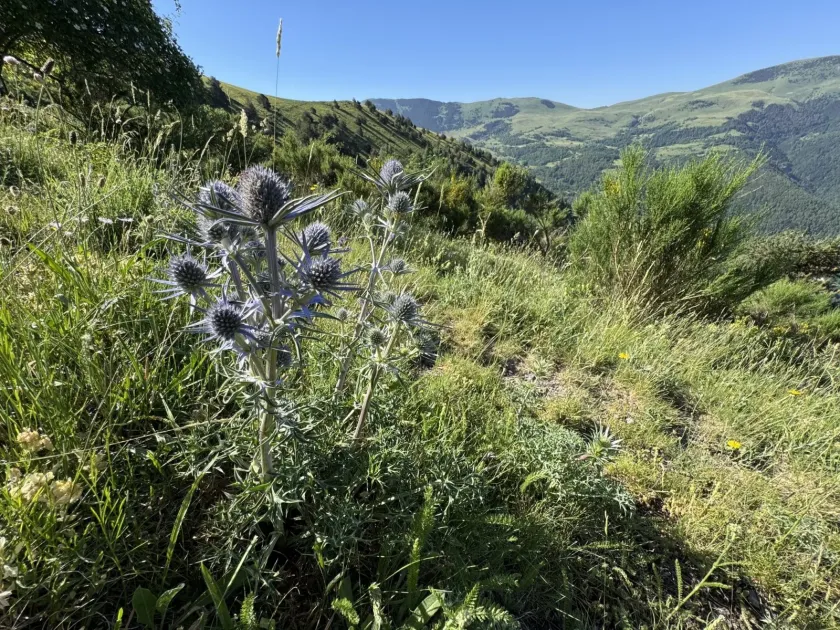
This species is native to mountainous regions and thrives in full sun. Exposure to direct sunlight is necessary to develop the intense metallic blue coloration of the bracts and stems, which is the plant's primary decorative feature.
Soil drainage is the most critical factor for successful cultivation. The plant performs best in rocky, gritty, or sandy soils with a neutral to slightly alkaline pH, as it is highly susceptible to root rot in heavy, waterlogged clays.
Once established, the plant is remarkably drought-tolerant due to its deep taproot. Watering should be infrequent, only provided during prolonged dry spells to keep the plant vigorous throughout the active growing season.
Avoid excessive fertilization, as high nitrogen levels encourage rapid, weak growth that makes the plant prone to lodging and pests. A light application of a balanced slow-release fertilizer in early spring is sufficient.
The plant is hardy and cold-tolerant, but it does not like winter dampness. Planting it on a slope or in a raised bed will significantly improve the drainage and prevent the crown from rotting during wet winter months.
Main diseases and pests
Root rot is the most significant threat to the health of the plant, usually caused by improper soil drainage or overwatering. Maintaining a dry soil profile, especially during dormancy, is the best prevention against fungal issues.
Powdery mildew can occur in areas with poor ventilation or high humidity. To minimize this risk, ensure plants have enough physical space and prune away any dead or diseased foliage during the spring cleaning phase.
Insects such as aphids and spider mites can occasionally affect the leaves and stems. Regular monitoring of the foliage, especially in dry weather, allows for early intervention with mild horticultural soap or specific insecticides.
Gastropods, such as slugs and snails, can be problematic for young, tender growth. Protecting the base of the plant with coarse sand or gravel acts as an effective deterrent, making it difficult for these pests to reach the plant.
Overall, by selecting a sunny, well-draining site and avoiding excessive irrigation, you can keep the plant healthy and productive for many years with minimal intervention required.