
Bunium persicum
Bunium persicum
Description
Sowing dates
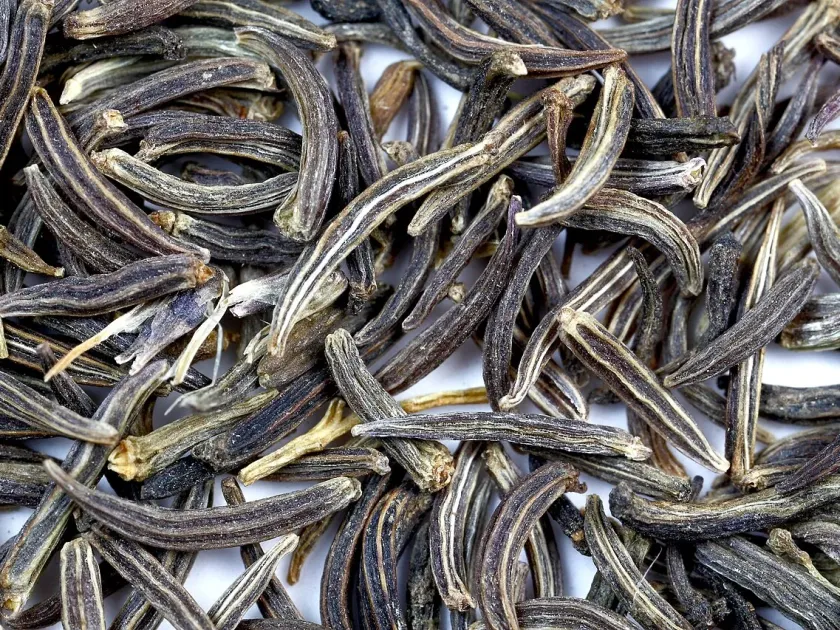
Bunium persicum, commonly known as black cumin or Persian cumin, is a perennial herb belonging to the Apiaceae family. It is highly valued for its aromatic seeds, which are widely used in culinary practices, particularly in Central and South Asian cuisines.
The cultivation of this crop typically begins with seed sowing, which requires a specific stratification process. In its natural habitat, the seeds undergo a cold cycle during winter, which is essential to break dormancy and ensure high germination rates in the following spring.
When sowing on a field scale, it is best to prepare the soil finely, as the seeds are quite small and sensitive to depth. A sowing depth of 1–2 cm is generally considered optimal to allow the seedlings to emerge without exhausting their stored energy reserves.
The plant spends its first year developing a basal rosette of leaves and a thickened, nutrient-storing root system. This developmental phase is crucial for the plant's survival through its first winter, meaning the field must be kept clear of aggressive weeds throughout the year.
Spacing is an important consideration for long-term production. Keeping rows spaced 30–45 cm apart provides enough room for the plants to mature over multiple years, as this species often takes until the second or third season to produce its first viable harvest of seeds.
Growing requirements
Bunium persicum thrives in mountain and foothill environments, requiring specific climatic conditions to reach its full potential. It prefers temperate zones with distinct seasonal changes and is particularly well-adapted to surviving cold winters under snow cover.
Soil requirements focus on excellent drainage and light texture. Sandy or gravelly loams are ideal, as they prevent waterlogging, which is a major threat to the plant's health. The pH of the soil should ideally be neutral or slightly alkaline for optimal growth.
Light is a limiting factor for the production of essential oils. Bunium persicum is highly photophilic and requires full sun exposure throughout the day. Shade significantly inhibits photosynthesis and reduces the concentration of aromatic compounds in the developing seeds.
Cultivation practices should include regular soil aeration. The plant does not respond well to heavy crusting of the soil surface, so shallow mechanical weeding or manual hoeing is necessary to ensure the roots receive adequate oxygen during the growing season.
Fertilization should be handled with caution, as high levels of nitrogen can lead to excessive green growth that is prone to disease. A balanced mineral fertilizer, focused on phosphorus and potassium, helps support root development and improves the plant's stress resistance.
Main diseases and pests
Fungal diseases, especially those involving root rot and mildew, are the primary biological threat to this crop. These are often triggered by improper moisture management, such as poor field drainage or excessive overhead irrigation during warm, humid periods.
Pests such as aphids and various bugs can cause damage by feeding on tender shoots and flower stalks. Integrated pest management strategies, focusing on biological controls and monitoring thresholds, are recommended to keep damage levels below the economic injury point.
Prevention is the best strategy for managing threats. This includes implementing a strict crop rotation schedule to avoid pathogen build-up in the soil and using certified, disease-free seed stock to start the cultivation cycle.
During the flowering stage, the plants are particularly vulnerable to environmental stress. Heavy rainfall or high humidity can encourage pathogen spread, necessitating good airflow within the field to allow the foliage to dry out quickly after storms.
In case of severe infestation, targeted treatments should be used only after careful evaluation of the situation. Always prioritize environmentally friendly methods that do not compromise the aromatic quality of the seeds intended for human consumption.
Harvesting
Harvesting Bunium persicum is a precise process that requires timing to match the seeds' physiological maturity. The umbels should be collected when they reach a deep dark brown color, but before the seeds naturally dislodge and fall to the ground.
Because the seeds can easily shed, many producers prefer to harvest the umbels manually. They are often cut and placed in breathable collection bags, allowing them to complete the drying process away from direct sunlight while retaining the essential oils.
Post-harvest handling is critical for quality control. Drying should occur in a cool, shaded, and well-ventilated area. Rapid drying in direct sun or excessive heat can degrade the aromatic profile, resulting in a lower quality product for the market.
Once dried, the seeds are separated from the stems through gentle threshing and cleaning. Winnowing is then used to remove residual plant material, dust, and chaff, ensuring that only pure seeds remain for final processing and packaging.
Storage must be in airtight, moisture-proof containers to preserve the intense nutty and earthy aroma for which the spice is known. Keeping the seeds in a dark, cool environment ensures they maintain their quality and flavor profile throughout their shelf life.