
Bowlesia tenera
Bowlesia tenera
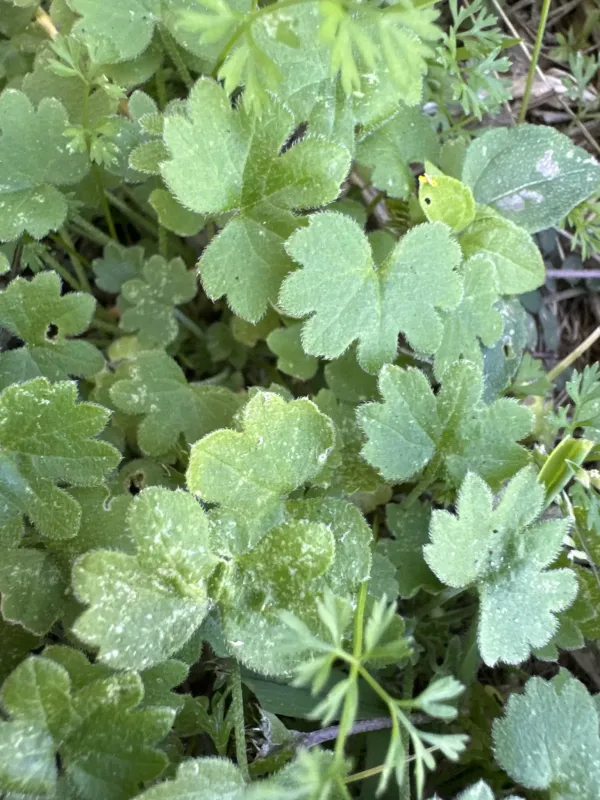
Description
Sowing dates
Bowlesia tenera is a herbaceous annual plant belonging to the Apiaceae (carrot) family. Within agricultural systems, it is frequently identified as a weed that competes with essential crops for soil nutrients and sunlight, particularly in early spring.
The life cycle initiates with seed germination triggered by seasonal moisture. The plant develops a basal rosette pattern, allowing it to establish a strong foothold in disturbed soil before the main crop reaches its peak growth stage.
Reproduction is strictly via seeds, which are dispersed easily by wind and agricultural machinery. High seed output makes Bowlesia tenera a difficult weed to eradicate once it has established a persistent seed bank in the soil.
Agronomists emphasize early-stage monitoring to identify infestations. Rapid rosette formation can mask the weed beneath crop canopies, making later-stage mechanical intervention less effective.
The plant exhibits high biological plasticity, allowing it to colonize diverse environments, from well-tilled agricultural fields to roadside margins and non-cultivated buffer zones.
Growing requirements
Bowlesia tenera thrives in well-lit areas with consistent moisture levels. It prefers loose, organic-rich soils but shows remarkable resilience on heavier clay soils, provided drainage is adequate for germination.
Climate requirements involve mild winters and cool spring temperatures, which favor its vegetative growth. While it is adaptable, extreme heat during the reproductive stage tends to hasten its senescence.
Nutrient uptake is generally competitive. Increased nitrogen applications in farming zones can disproportionately stimulate the growth of Bowlesia tenera, turning it into a significant nuisance for crop yield.
Maintaining high crop density is a recommended cultural practice to limit the available space for Bowlesia development. Shading serves as a natural inhibitor for this light-dependent species.
Soil pH levels around the neutral range are optimal for its development. Adjusting soil chemistry or maintaining proper rotation cycles can create unfavorable conditions for its establishment.
Main diseases and pests
Fungal pathogens, such as powdery mildew, are the primary biological threats to Bowlesia tenera. High humidity levels during the spring often exacerbate these infections, potentially reducing the weed's vigor.
Pests including aphids and spider mites frequently attack the succulent foliage. While these rarely eliminate a population, they contribute to the stress of the plant in intensive cropping environments.
Mechanical control through deep tilling or discing remains the most reliable method for suppression. By disrupting the surface root system before seed set, farmers can significantly lower the weed pressure.
Chemical control involving broadleaf herbicides is highly effective if applied during the early vegetative phase. Proper timing is critical to prevent the transition to the flowering stage where herbicidal efficacy declines.
Integrated weed management should include cleaning field equipment and ensuring crop seeds are free from impurities. Prevention of new seed bank deposits is essential for long-term field hygiene.