
Hoary bowlesia
Bowlesia incana
Description
Sowing dates
Hoary bowlesia is an annual herbaceous plant that typically initiates its life cycle in cool, moist conditions. Sowing is best performed in the autumn or early spring depending on the regional climate zone.
The seeds possess natural dormancy mechanisms, ensuring germination occurs only when environmental conditions are optimal. Shallow planting is critical, as small seeds require consistent surface moisture to successfully emerge.
In a field setting, uniform spacing is recommended to prevent excessive competition. The plant is prolific and capable of rapid self-seeding, which makes seed dispersal management a priority for cultivators.
Germination usually happens within a few weeks when temperatures range between 10°C and 18°C. Providing a stable, non-compacted seedbed ensures better root establishment for the developing seedlings.
When sowing on a larger scale, ensure that the soil surface is kept lightly moist until the emergence of the first true leaves, which is the most vulnerable growth stage.
Growing requirements
Belonging to the Apiaceae family, Bowlesia incana exhibits high adaptability to various soil types, ranging from sandy loam to heavier clays, provided that drainage is adequate to prevent waterlogging.
The plant thrives in cool, temperate climates and is often found in partially shaded areas. It does not tolerate intense summer heat or prolonged drought, which often triggers premature senescence.
Hoary bowlesia requires moderate levels of moisture. While it is somewhat drought-tolerant due to its pubescent (hairy) foliage, regular hydration during dry spells will lead to more vigorous growth.
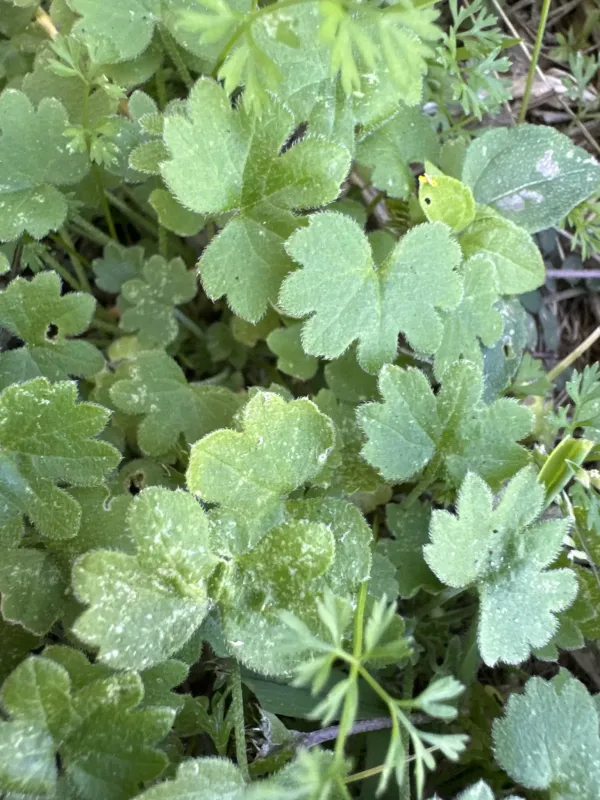
Botanically, it is characterized by its small, deeply lobed leaves covered in stellate hairs, which serve as a protective barrier against excessive evaporation.
Nutrient requirements are generally low. However, in low-fertility soils, light application of organic matter or a balanced fertilizer can improve biomass production without encouraging excessive weed-like spread.
Main diseases and pests
The primary threats to this culture are fungal diseases, particularly powdery mildew and damping-off, which occur when air circulation is poor or humidity levels remain consistently high.
Pests such as aphids and spider mites can colonize the foliage, especially during stress periods or warm, dry spells, leading to stunted growth and loss of photosynthetic area.
Root-knot nematodes can also be a hidden threat in specific soil conditions, potentially causing severe damage to the plant's vascular system if left unmanaged.
Management strategies focus on promoting airflow through proper plant spacing and avoiding overhead irrigation during the later stages of plant development to reduce foliage wetness.
- Sanitize gardening tools to prevent the spread of soil-borne pathogens.
- Apply biological control agents to manage aphid populations early.
- Remove any withered or infected plants immediately to reduce inoculum levels.