
Astrodaucus orientalis
Astrodaucus orientalis
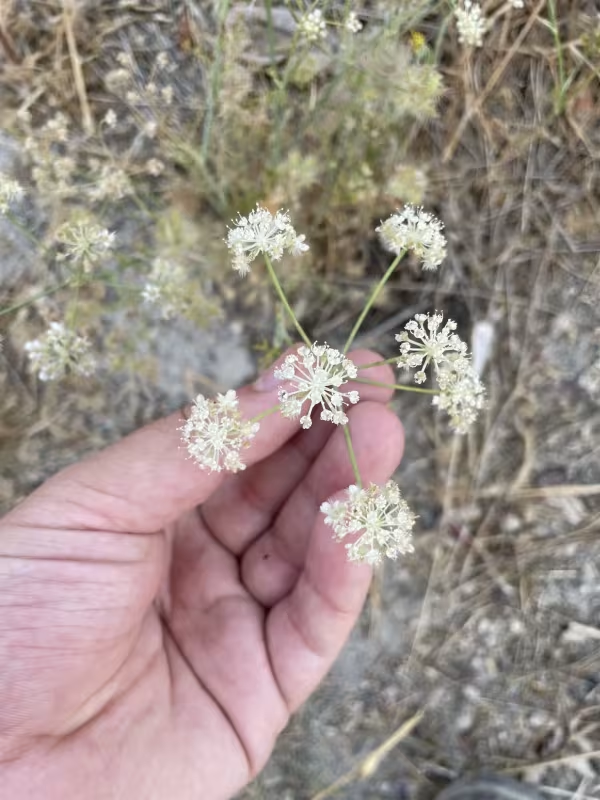
Description
Sowing dates
Astrodaucus orientalis is a distinctive species within the Apiaceae family. In natural habitats, it follows a seasonal growth cycle, with seed dispersal occurring during late summer and germination in early spring.
In a controlled agricultural setting, sowing is best performed in early spring once soil temperatures reach a stable 8–10 degrees Celsius. Consistent soil moisture is required for uniform germination.
The optimal seeding depth is approximately 1 to 2 centimeters. This depth provides protection for the seeds while allowing them enough oxygen and warmth to germinate effectively.
Row spacing should ideally be maintained between 45 and 60 centimeters. This provides enough space for individual plant development and allows for efficient inter-row cultivation using agricultural machinery.
Fall sowing is also an alternative in certain regions, allowing for natural stratification of the seeds during the winter months, which often leads to more vigorous spring growth.
Growing requirements
This species is highly photophilous and requires full sun exposure to reach its full development potential. Shaded areas significantly inhibit the plant's growth and overall vigor.
The plant thrives in well-drained, sandy loam or light loam soils. Neutral to slightly alkaline soil conditions are considered ideal for optimal nutrient uptake and root system development.
Good soil aeration is critical. Regular inter-row cultivation is a standard practice to break up soil crusts and promote gas exchange, which enhances the plant's health and resistance to stressors.
Water requirements are moderate, as the species possesses a deep taproot that allows it to access deeper soil moisture, making it resilient to transient drought conditions.
Fertilization strategies should emphasize phosphorus and potassium. Excessive nitrogen should be avoided as it may lead to weak stems and reduced resistance to pests and diseases.
Main diseases and pests
Aphids are the most common pests associated with this crop, often clustering on succulent stems and flower buds, where they can severely stunt growth if left unmanaged.
The umbellifer moth is another significant threat, as its larvae can target reproductive structures, drastically reducing seed yields. Integrated pest management is recommended for control.
Fungal pathogens such as powdery mildew can be problematic during periods of high humidity and poor air circulation, necessitating prompt attention and potential fungicide treatment.
Root rot is typically associated with poor drainage. Selecting high-lying fields with appropriate soil structure is the most effective preventative measure against this condition.
Proper crop rotation is essential to prevent the buildup of soil-borne pathogens. Avoiding consecutive planting with other Apiaceae species is a foundational principle of a successful management plan.