
Asteriscium chilense
Asteriscium chilense
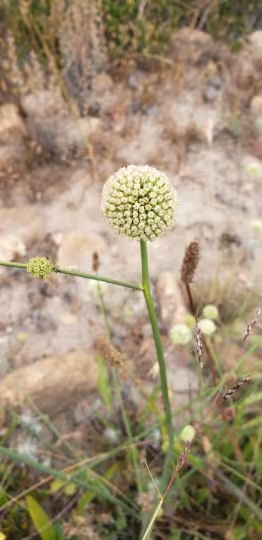
Description
Sowing dates
Asteriscium chilense is a perennial herb belonging to the Apiaceae (parsley) family. It is native to the diverse landscapes of Chile, where it thrives in mountain slopes and rocky terrains. Understanding its natural habitat is key to its successful cultivation in an agricultural setting.
For propagation, seeds are typically sown in early spring. Due to the seed dormancy characteristic of many mountain Apiaceae, cold stratification is highly recommended to improve germination rates significantly. This process mimics the winter conditions of its native Chilean habitat.
A well-draining, lightweight potting mix is essential for starting seeds. A combination of peat, perlite, and coarse sand provides the necessary aeration for the delicate emerging roots, preventing potential damping-off issues.
Seeds should be covered with a fine layer of substrate, roughly 1 cm deep. Maintaining a consistent temperature of 15-18°C is crucial for uniform germination. Consistent moisture levels, rather than oversaturation, are preferred during the early stages of plant growth.
Transplanting into the final garden location should take place after the danger of frost has passed. Asteriscium chilense forms a sturdy basal rosette, so spacing plants approximately 30-40 cm apart is advisable to ensure adequate airflow around each individual plant.
Growing requirements
This species thrives in sunny locations with high light intensity. While it adapts well to various conditions, direct sunlight is crucial for maintaining the plant's structural integrity and encouraging vigorous leaf production throughout the growing season.
Soil requirements focus on excellent drainage. Asteriscium chilense is sensitive to waterlogged conditions, which can lead to rapid root decay. Sandy-loam soils are ideal, as they allow excess water to drain away while retaining enough moisture for survival during dry periods.
Neutral pH levels are generally preferred. If the local soil is too acidic, slight amendments with garden lime can help stabilize the environment, allowing the roots to access essential nutrients more effectively without the stress caused by acidity.
Watering should be managed carefully. A "soak and dry" approach is often successful, allowing the top layer of soil to dry out between watering sessions. This prevents the buildup of excess moisture that might encourage the growth of harmful soil-borne pathogens.
Regular maintenance involves removing competing weeds that might suppress the growth of Asteriscium chilense. Given its moderate growth habit, it can be easily outcompeted by aggressive grasses, necessitating clear space around the plant's base.
Main diseases and pests
The primary threats to this culture include fungal infections, such as root rot and powdery mildew. These issues usually arise from poor air circulation or consistently damp conditions, particularly in late spring or during rainy seasons.
Pests are generally not a major concern for Asteriscium chilense, but occasional infestations by aphids or spider mites can occur, especially in greenhouse environments where the air is dry and stagnant. Regular monitoring of the foliage is recommended.
Using preventive measures like copper-based fungicides can help mitigate the risk of fungal diseases. It is essential to apply any treatment during the early stages of an outbreak to prevent the spread of spores throughout the planting site.
To reduce pest pressure, encourage beneficial insects in the garden. Ladybugs and lacewings are natural predators of aphids and can help maintain a balanced ecosystem without the need for intensive chemical applications.
Monitoring for snails and slugs is also necessary, as they can cause significant damage to the soft tissue of the basal leaves during the early vegetative phase of the plant's development.
Harvesting
The harvesting of Asteriscium chilense is typically timed for the collection of mature seeds or green leafy components. Leaf harvesting should be performed before the plant initiates its flowering stem to maximize the quality and flavor of the harvest.
When harvesting leaves, use clean, disinfected shears to make precise cuts. Removing only the outer, mature leaves allows the central growing point to remain intact, facilitating continued growth and potential secondary harvests throughout the season.
Drying the harvested material requires a shaded, well-ventilated area. High temperatures should be avoided to prevent the loss of aromatic compounds. The ideal temperature for drying is between 30°C and 35°C in a dry environment.
Seed collection requires careful observation as the flower heads turn brown. To avoid losing the seeds to natural dispersion, placing small mesh bags over the seed heads is an effective practice for high-yield collection.
Once dried and cleaned of debris, store the product in airtight containers away from direct light and moisture. Proper storage ensures the longevity of the plant material and maintains its characteristics for up to two years.