
Cotinus coggygria
Cotinus coggygria Scop.
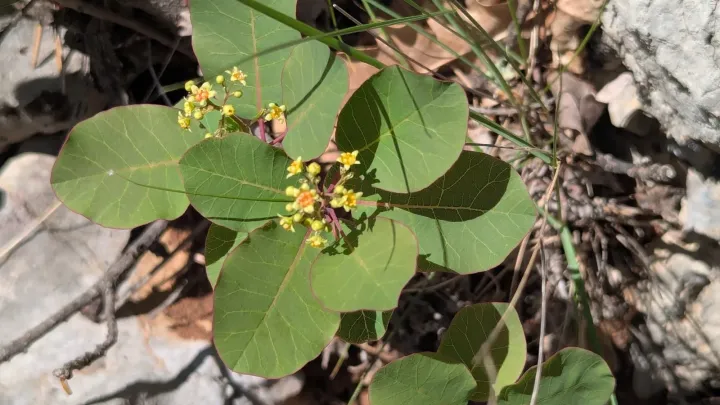
Description
Sowing dates
Commercial propagation of Cotinus coggygria is primarily achieved through vegetative methods, specifically softwood cuttings taken during the early summer months.
Seed propagation is also possible but requires extensive stratification to break seed dormancy caused by the hard seed coat, simulating a natural winter cycle.
When sowing seeds, it is critical to use well-drained substrate in controlled nursery environments to ensure high germination rates after the stratification period.
Cuttings should be kept in a high-humidity environment with indirect sunlight until rooting is established, usually within a few weeks of planting.
Young nursery-grown plants are typically transplanted to their final production fields when they are two or three years old and possess a robust root system.
Growing requirements
Cotinus coggygria, a member of the Anacardiaceae family, is a sun-loving shrub that requires full exposure to light to maximize the production of secondary metabolites.
This species is highly drought-tolerant and thrives in poor, rocky, or alkaline soil conditions, making it an excellent candidate for land reclamation and erosion control.
While the plant is adaptable to various climates, it performs best in temperate zones with well-defined seasons and requires protection from excessive soil moisture.
The optimal soil pH ranges from neutral to slightly alkaline, and providing adequate drainage is the most critical factor in preventing root-related diseases.
Routine agronomic maintenance includes weeding around the base of the shrubs and occasional pruning to maintain plant vigor and encourage new foliage growth.
Yield
The primary agricultural value of Cotinus coggygria lies in the high concentration of tannins found in its leaves and young shoots, which are essential for the leather industry.
Yields are optimized by managing plant density and employing regular pruning practices that encourage the development of new, tannin-rich biomass throughout the season.
The wood of the plant is also valued in the dye industry, historically used to extract yellow and orange pigments for traditional textile coloring.
Effective management of production cycles can result in significant annual output, making it a sustainable choice for marginal lands where other crops may fail.
Advanced processing techniques are used to extract high-purity tannin compounds, which serve various pharmaceutical, chemical, and industrial applications globally.
Main diseases and pests
Cotinus coggygria is generally resistant to many pests, but it can be susceptible to fungal pathogens like Verticillium wilt, especially if grown in poorly drained soils.
Insects such as leaf-eating beetles may occasionally impact foliage, but they rarely reach infestation levels requiring intensive chemical intervention.
Integrated pest management strategies, such as maintaining proper plant spacing and airflow, are effective in minimizing the risk of disease outbreaks.
Young plants are particularly vulnerable to rodent damage during winter months, necessitating the use of mechanical protectors or fencing around the base.
Regular sanitation, which includes removing deadwood and diseased plant parts, is a cornerstone of maintaining a healthy and productive plantation.
Harvesting
The harvesting of leaves is best performed during the mid-summer months when the plant reaches its peak physiological maturity and tannin content is at its highest.
Harvesting techniques involve carefully plucking or shearing the leafy portions of the shoots, ensuring the structural integrity of the plant for the following season.
Post-harvest management is critical; the leaves must be dried in shaded, well-ventilated areas to prevent fermentation and preserve the quality of the active chemical compounds.
The final product is inspected for impurities and moisture levels to meet industrial standards before being stored in cool, dry facilities for future processing.
Proper storage conditions are essential to maintain the stability of the extracted tannins, ensuring that the crop retains its market value throughout the storage period.