
Campnosperma squamatum
Campnosperma squamatum
Description
Growing requirements
Campnosperma squamatum is a distinctive tree species belonging to the Anacardiaceae family. It is native to the tropical regions of Southeast Asia, thriving particularly well in the lowland rainforests and peat swamp forests of Malaysia, Indonesia, and surrounding areas.
This species is well-adapted to environments with high soil moisture and can grow in acidic soils. Its ability to colonize wet, swampy terrain makes it a key successional species in disturbed forest areas where other trees might struggle with waterlogged root zones.
The tree requires a tropical climate with year-round high temperatures and significant rainfall to maintain its growth rates. It does not tolerate prolonged frost or extreme cold, which is consistent with its equatorial natural range.
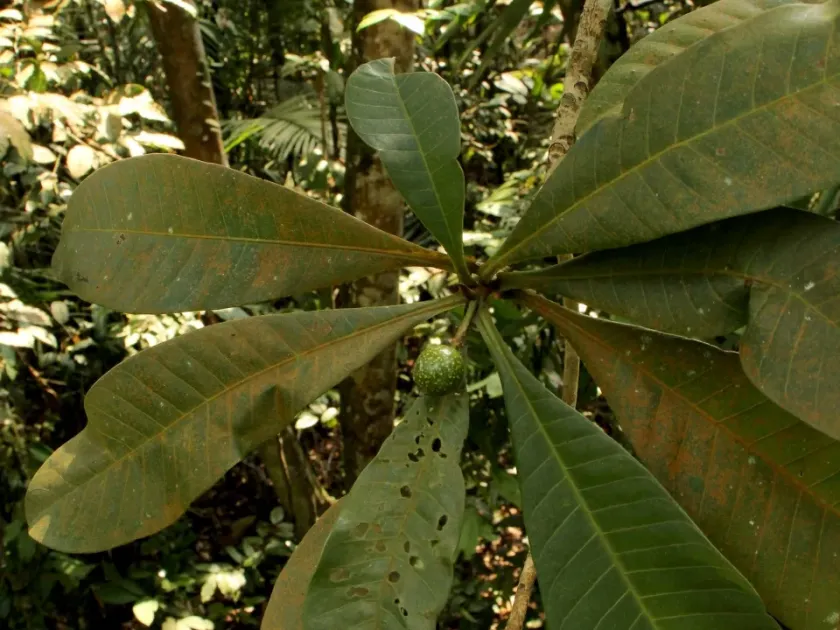
Botanically, Campnosperma squamatum is recognized by its robust stature and dark, leathery leaves clustered at the branch tips. It produces small drupaceous fruits that are vital for local wildlife, facilitating the dispersal of seeds across the forest floor.
In terms of economic value, the wood is utilized for various construction purposes, including light carpentry and the production of plywood. Its availability and utility make it an important resource for sustainable forest management in its native regions.
Main diseases and pests
The primary threat to Campnosperma squamatum populations is habitat loss caused by deforestation and land-use conversion. The drainage of peat swamp forests for agriculture significantly reduces the viable habitat for this moisture-loving species.
Pathogenic fungi pose a risk to tree health, especially when the natural hydrological cycle is disrupted. Root rot is a common symptom in trees subjected to inconsistent water levels, which weakens the overall stability of the forest stand.
Insect pests, such as wood-boring beetles, can affect mature trees by creating galleries in the timber, thereby reducing its commercial quality. Effective forest management involves monitoring these populations to prevent localized outbreaks.
Climate change, manifesting in intensified drought periods, disrupts the delicate balance of swamp forest ecosystems. This leads to increased fire risks, which can be devastating for the species, especially during the seedling stage.
Invasive plant species often outcompete Campnosperma seedlings in areas where the forest canopy has been opened by logging. Protecting young recruits through careful silvicultural practices is essential for ensuring the long-term survival of the species.