
Ceylon campnosperma
Campnosperma zeylanicum
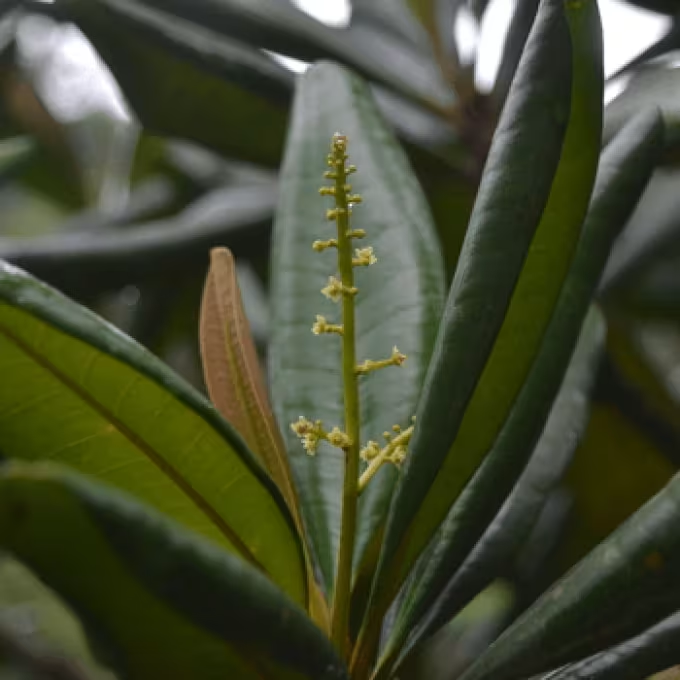
Description
Growing requirements
Ceylon campnosperma (Campnosperma zeylanicum) is a prominent tree species belonging to the Anacardiaceae family. Endemic to Sri Lanka, this tree thrives in the humid conditions of tropical rainforests and requires specific environmental niches to reach its full potential.
The climate requirements include high temperatures consistently between +25°C and +30°C. It is an exclusively tropical species, possessing no tolerance for frost or cool climate conditions, which makes it highly site-specific.
Soil preferences are centered around well-drained, nutrient-rich alluvial soils. While the tree appreciates consistent soil moisture, it is susceptible to root rot if the substrate becomes waterlogged or anaerobic for extended periods.
In terms of light exposure, the species is generally sun-loving in its mature stage, forming part of the canopy. However, seedlings often exhibit shade tolerance, allowing them to establish themselves beneath the cover of larger trees.
The economic value of this tree is mainly derived from its wood, which is utilized for various carpentry applications. Furthermore, the species contributes significantly to local ecological stability and forest floor nutrient cycling.
Main diseases and pests
Common pathological threats include fungal infections, particularly root rot triggered by improper drainage in plantation environments. High humidity levels without adequate air movement can exacerbate these conditions.
Insect pests such as wood-boring beetles present the greatest risk to timber quality. These insects penetrate the bark and inner wood, leading to structural damage that can degrade the wood's commercial value.
Leaf-eating pests and caterpillars can also impact the growth rate of juvenile trees by reducing photosynthetic capacity. Control measures involve regular scouting and maintaining optimal plantation density.
Prevention is key, focusing on maintaining tree vigor through adequate spacing and site sanitation. Removing dead or infested debris helps prevent the spread of localized outbreaks within the plantation.
Sustainable management practices are required to protect this species, as it remains vulnerable to habitat loss and requires careful cultivation strategies to ensure health and longevity.