
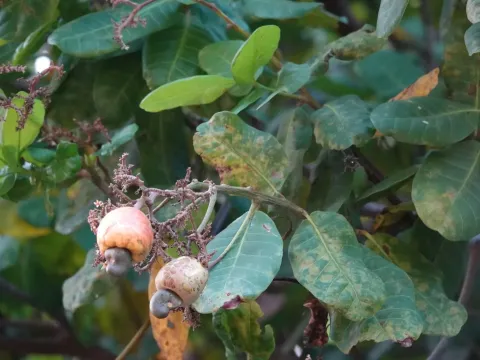
Anacardium othonianum
Anacardium othonianum
Anacardium othonianum is a distinct species within the Anacardiaceae family, native to the Brazilian Cerrado. Often compared to its relative, the common cashew, this tree is highly valued for its fruit and ecological resilience in semi-arid savanna environments.
What the section contains
Anacardium othonianum
The botanical structure of the plant features a deep, robust taproot system that allows it to thrive in nutrient-poor, sandy soils. Its ability to tolerate acidity makes it a suitable candidate for land reclamation and agroforestry projects in tropical regions.
Optimal growth is achieved in climates characterized by high temperatures and distinct dry seasons. Full sun exposure is non-negotiable for the plant's development, as any degree of shade can significantly impede flowering and overall tree vigor.
Soil management for this crop focuses on maintaining excellent drainage to prevent root rot. While the plant can tolerate low-fertility soils, strategic application of micronutrients can enhance the yield quality and structural integrity of the branches.
Economically, the plant is processed for its nutritious seeds and sweet pseudo-fruits. The seeds must be carefully roasted or processed to remove natural toxins, a standard procedure similar to commercial cashew processing.
Fungal pathogens, particularly anthracnose, represent the primary biological threat to Anacardium othonianum plantations. High humidity levels during the flowering stage create perfect conditions for spore germination and rapid spread.
Various insect pests, including stem borers and fruit flies, can cause significant economic losses if not managed. These pests target both the vegetative parts of the tree and the developing fruits, reducing marketable yield.
Agricultural hygiene, such as the removal of fallen leaves and infected fruit, is essential for maintaining a healthy orchard. Keeping the orchard floor clean helps to reduce the survival rate of dormant pathogens and insect larvae.
Pruning is a vital horticultural practice for this species, as it ensures adequate light penetration and airflow through the canopy. This reduces the micro-climatic humidity that favors fungal outbreaks, thereby protecting the delicate flowers.
Integrated pest management strategies are recommended to preserve local biodiversity. Using biological control agents and pheromone traps can effectively mitigate the impact of major pests without heavily relying on synthetic chemical pesticides.