
Anacardium spruceanum
Anacardium spruceanum
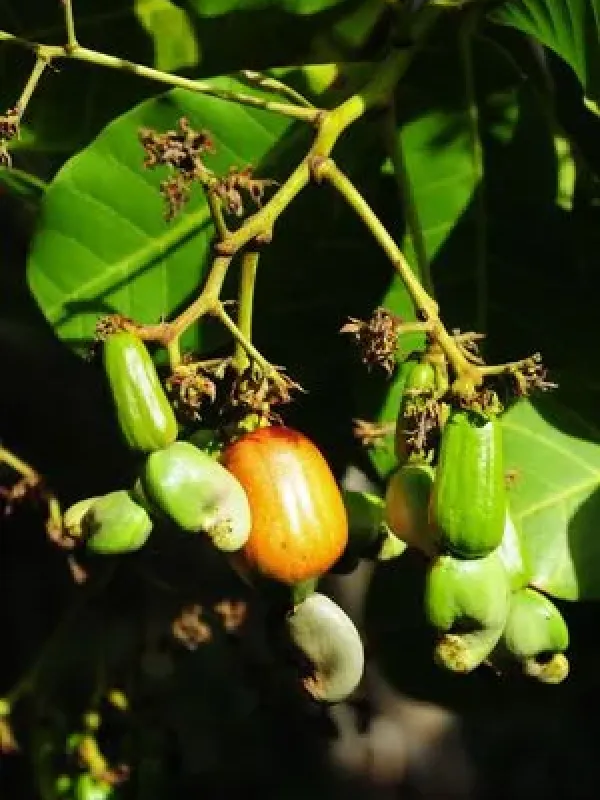
Description
Growing requirements
Anacardium spruceanum is a robust evergreen tree species belonging to the Anacardiaceae family. Native to the tropical rainforests of South America, specifically within the Amazon and Orinoco basins, this plant is well-adapted to high-humidity environments.
Botanically, it is a close relative of the commercial cashew tree (Anacardium occidentale). The tree is characterized by its broad, leathery leaves and significant height, which allows it to thrive in competitive forest canopy environments.
The climate requirements for Anacardium spruceanum are strictly tropical. It demands consistently high temperatures, ideally between 24 and 30 degrees Celsius, and cannot tolerate frost or prolonged drought, which can significantly damage the tree's health.
Regarding soil preferences, the plant thrives in deep, well-draining soils rich in organic matter. While it is adaptable to various soil types, waterlogged conditions are extremely detrimental to root development and must be avoided through proper site selection.
Agricultural practices involve careful monitoring of irrigation levels during the initial growth phases and ensuring adequate spacing between trees to accommodate their wide, spreading canopies as they mature, which also facilitates easier access for maintenance.
Harvesting
The economic utility of Anacardium spruceanum is centered primarily on its edible fruits and durable timber. In its native range, the fruits are a valuable source of nutrients and are often consumed fresh or processed into regional culinary products.
Harvesting is typically done manually to preserve the integrity of the fruits. Timing is crucial, as the fruit reaches peak quality only when it has fully matured on the tree, requiring periodic inspections during the ripening season.
Post-harvest logistics focus on rapid processing to prevent spoilage. The fleshy pseudofruits are highly perishable and are often converted into juices, preserves, or syrups soon after being plucked to maintain their nutritional and flavor profiles.
The timber obtained from this species is highly regarded for its density and resistance to decay, making it a reliable resource for local construction and high-quality woodwork, which provides an additional revenue stream for agricultural producers.
Future agricultural research into Anacardium spruceanum aims to enhance yield consistency and investigate the medicinal properties of its compounds. Its role in agroforestry systems remains a key area of interest for sustainable land management in tropical regions.