
Anacardium humile
Anacardium humile
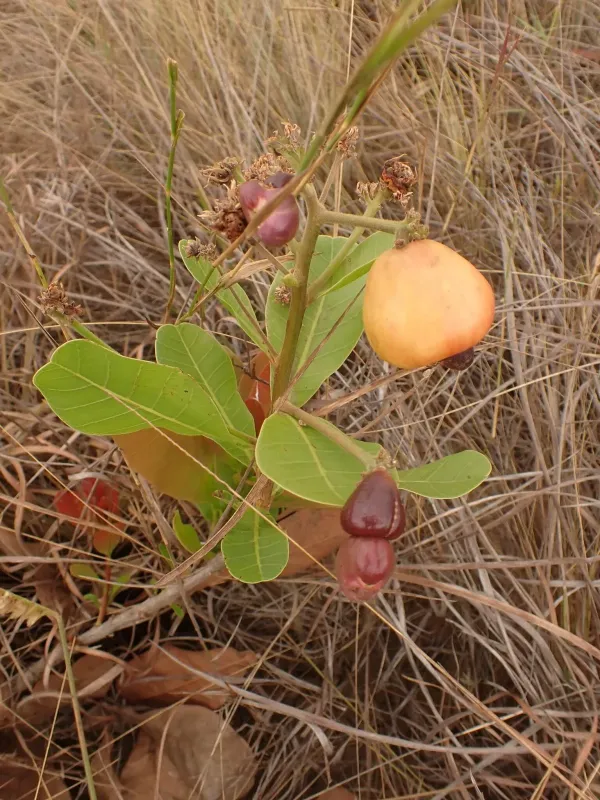
Description
Growing requirements
Anacardium humile is a dwarf shrub species within the Anacardiaceae family, native to the Brazilian cerrado. Unlike larger relatives in the genus, this plant maintains a low profile, making it a distinctive crop for savanna-based agricultural systems.
The climate requirement is strictly tropical with a pronounced dry season. The plant exhibits high heat tolerance and is fully adapted to thrive in areas where solar radiation is high and consistent throughout the year.
Regarding soil preferences, it thrives in well-drained, acidic sandy soils. It is exceptionally tolerant of low-fertility conditions, effectively utilizing the sparse nutrients characteristic of its native habitat.
Agricultural management requires careful attention to site selection, ensuring that the crop receives full sun. Planting density should be optimized to facilitate airflow, which is crucial for preventing humidity-related issues in the canopy.
Economically, the species is valued for its pseudo-fruits and seeds, which are consumed locally. Research continues into optimizing its harvest to improve yield quality for international market potential.
Main diseases and pests
The primary threats to Anacardium humile include fungal pathogens such as Fusarium species, which impact the roots if the drainage is inadequate. Managing water movement through the soil profile is the top priority for health.
Various coleopteran pests are known to feed on the foliage and developing buds of the plant. Integrated pest management strategies, focusing on biological controls, are recommended for sustainable commercial plantations.
Excessive humidity during the flowering stage can trigger blossom blight, significantly reducing the fruit set. Maintaining proper spacing between plants is essential to mitigate the spread of air-borne spores.
Weed competition is a significant concern for younger plants, as they struggle to compete with aggressive grasses. Regular clearing of the root zone is necessary to ensure rapid establishment and growth.
Nutrient deficiencies, while rare in native populations, can occur in depleted agricultural soils. Targeted application of micronutrients can help maintain plant vigor and improve resilience against biological stressors.