
Linden's bloodleaf
Iresine lindenii Van Houtte
Description
Growing requirements
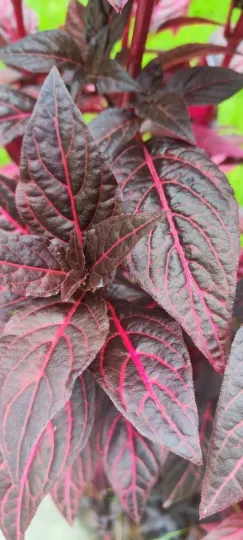
Linden's bloodleaf (Iresine lindenii) is a perennial herbaceous plant belonging to the Amaranthaceae family. Originating from the tropical rainforests of Ecuador, this species is highly valued for its striking deep red foliage that adds vibrant color to interiors and landscapes.
The plant features succulent-like, upright stems that can reach a height of up to 60 centimeters. Its foliage is characterized by ovate-lanceolate leaves with a prominent midrib, often exhibiting shades of dark crimson or deep purple, depending on the intensity of the light exposure.
To thrive, the plant requires bright, indirect light. Direct sunlight can scorch the leaves, while insufficient light causes the stems to stretch and the leaf color to fade. Maintaining a consistent temperature between 18 and 25 degrees Celsius is essential for optimal growth.
Soil requirements for Iresine are centered around good drainage and moderate fertility. A well-aerated potting mix containing peat, perlite, and humus is ideal. Keeping the soil consistently moist but never waterlogged is critical for the plant's health.
High humidity levels are preferred for this tropical species. In indoor environments, placing the plant on a pebble tray with water or using a humidifier can prevent the leaf edges from drying out and improve overall plant vigor.
Main diseases and pests
Common pests affecting Linden's bloodleaf include spider mites, aphids, and mealybugs. These insects thrive in environments with low humidity, making regular monitoring of the underside of the leaves highly recommended for early detection.
If an infestation occurs, horticultural soaps or targeted insecticides should be used. It is also important to maintain good air circulation around the plant to discourage the development of mold and fungal issues.
Root rot is a frequent threat caused by overwatering or poor drainage. Symptoms include wilting, yellowing of the lower leaves, and soft, brown stem bases. If caught early, repotting into fresh, dry soil can save the plant.
Fungal leaf spots can sometimes appear if the foliage remains wet for extended periods in low light. Avoiding overhead watering and ensuring that the plant is kept in a well-ventilated area can significantly reduce this risk.
Regular pruning is vital for maintaining the plant's bushy appearance. By removing the growing tips, gardeners can stimulate lateral growth, ensuring the plant remains dense and attractive rather than thin and leggy.