
Aerva leucura
Aerva leucura
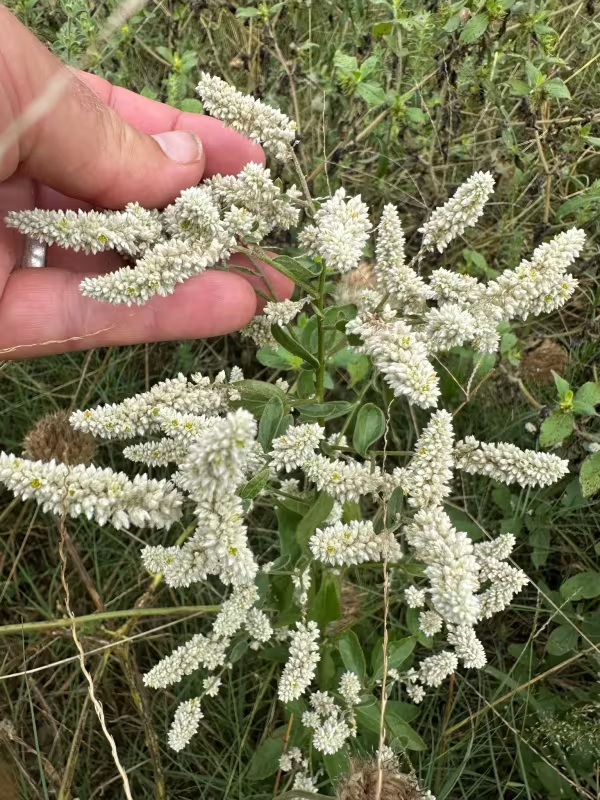
Description
Sowing dates
Aerva leucura, a member of the Amaranthaceae family, thrives in warm climates and requires careful attention to temperature during the sowing phase. In regions with long growing seasons, seeds can be sown directly into the soil once it has reached a stable temperature of 15–18 degrees Celsius.
For colder regions or to extend the harvest window, starting seedlings indoors is the preferred method. Seeds should be sown in seedling trays roughly 6 weeks before the last frost, ensuring adequate light to prevent etiolation.
The seeds are exceptionally small and require surface sowing or very light covering with fine soil. Maintaining high humidity is critical during germination, which is typically achieved by covering the trays with plastic film until the first sprouts emerge.
When transplanting, spacing is vital for the health of the plants. A density of about 30–40 centimeters between plants allows for sufficient airflow, which helps in preventing fungal issues that frequently affect dense plantings.
Crop rotation is essential for maintaining soil health and preventing the buildup of species-specific soil-borne pathogens. Aerva leucura performs best following leguminous crops that improve nitrogen availability and soil structure.
Growing requirements
This crop is highly sensitive to light levels and should be planted in areas receiving full sun. Reduced exposure to sunlight significantly hampers the development of biomass and the quality of the harvested material.
Aerva leucura prefers well-drained, sandy loam soils with a neutral pH level. It is highly intolerant of waterlogged soil, which can cause root decay and plant collapse within a short period.
Regular irrigation is necessary throughout the active growth phase, aiming to keep soil moisture levels steady. While established plants show some tolerance to dry spells, irrigation is crucial for maximizing yield and maintaining uniform plant growth.
Fertilization should be balanced, with a focus on phosphorus and potassium during the vegetative and flowering stages. Over-application of nitrogen should be avoided, as it encourages excessive leaf growth that is prone to pest attacks and lodging.
The optimal temperature range for growth is between 20 and 28 degrees Celsius. The crop is frost-sensitive and requires protection or appropriate scheduling in climates prone to sudden temperature drops to ensure successful development.
Yield
The yield of Aerva leucura is highly dependent on effective management practices and environmental conditions. Proper site selection and irrigation management are the two primary factors that determine the final dry matter output per hectare.
Because the crop is capable of regrowth, multi-harvest cycles within a single season are possible. This characteristic is a significant advantage for commercial operations looking to maximize productivity from a single planting.
Weed control is of paramount importance during the first few weeks of growth. Using mulch or mechanical cultivation between rows can significantly improve growth rates by reducing competition for water and soil nutrients.
The overall productivity is also influenced by the harvest frequency and the plant's recovery period. Implementing a balanced cutting regime ensures the plant remains healthy and continues to produce high-quality foliage throughout the season.
Post-harvest analysis often emphasizes the concentration of beneficial compounds. Standardizing the harvest timing based on the developmental stage is the best way to ensure the consistent quality of the agricultural product.
Main diseases and pests
Fungal pathogens, particularly those causing root rots and damping-off, are the most significant threats to Aerva leucura. These diseases are usually triggered by poor drainage or excessive soil moisture during cool periods.
Pests such as aphids and mites may target the foliage, especially when the plants are stressed by irregular watering or imbalanced nutrients. Regular scouting is recommended to catch pest outbreaks before they reach critical levels.
Cultural control is the best defense against disease. This includes ensuring proper plant spacing for ventilation, managing soil moisture strictly, and removing any plant debris that could harbor overwintering pathogens.
In case of pest infestation, integrating biological control agents or using environmentally safe pesticides is advised to protect the crop without compromising its medicinal or commercial quality standards.
Monitoring the fields for signs of wilting or discoloration is essential. If localized infection occurs, removing the affected plants quickly can prevent the spread of the disease to the rest of the crop.
Harvesting
Harvesting should ideally occur at the peak of the flowering stage, which is when the plant displays its iconic white, fluffy inflorescences. This is the period when the accumulation of target active compounds is at its highest.
The plants are typically cut a few centimeters above the ground. This method allows the crop to maintain a base from which it can successfully regenerate for a second or third harvest later in the season.
Once harvested, the material should be transported to a drying facility as soon as possible. Prolonged exposure to heat or direct sunlight in the field can lead to oxidation and loss of desirable plant constituents.
Drying is a critical phase and should be conducted in shaded, well-ventilated areas at controlled temperatures. Avoiding high heat during the drying process is necessary to preserve the plant's chemical integrity and quality.
Proper storage is the final step in the harvest process. The dried product should be stored in cool, dry conditions with adequate protection from humidity and light, which ensures the shelf life and quality of the final commercial shipment.