
Aerva sanguinolenta
Aerva sanguinolenta
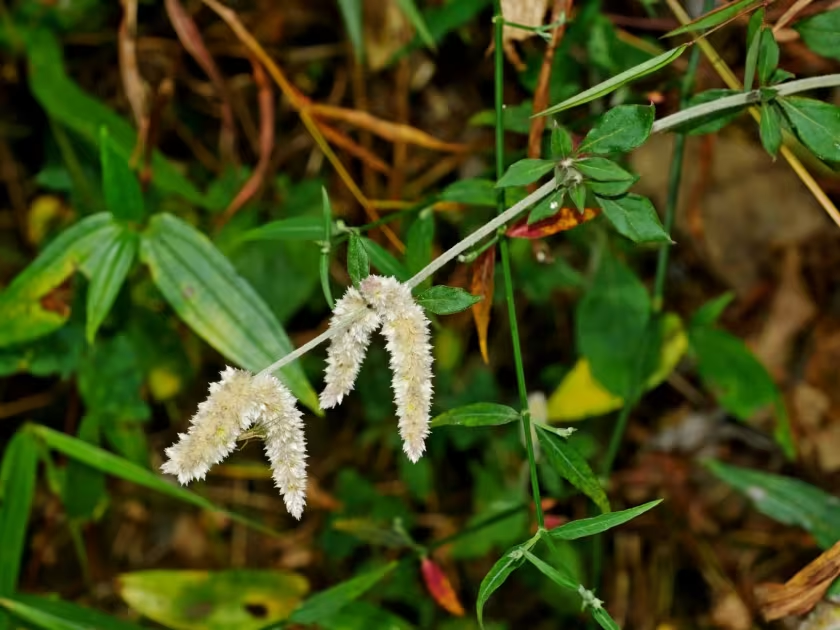
Description
Sowing dates
The sowing of Aerva sanguinolenta is best performed when the soil has sufficiently warmed up, usually in late spring. Successful germination requires shallow sowing, as the seeds are small and sensitive to deep burial in the ground.
For large-scale cultivation, drilling the seeds in rows spaced 40 to 50 centimeters apart is recommended. This spacing ensures adequate airflow and simplifies mechanical weeding, which is vital during the early growth stages.
In regions with cooler climates, starting plants in greenhouses or seedling trays several weeks before the last frost is a common strategy. This practice ensures that seedlings are robust enough to transplant once favorable outdoor conditions arrive.
Proper soil preparation, including loosening the top layer to a fine tilth, is essential. Seeds should be covered with a light dusting of soil or compost to maintain moisture levels while allowing for necessary gas exchange during emergence.
Consistent moisture management during the first two weeks post-sowing is crucial. Utilizing light irrigation systems helps in maintaining the uniform soil moisture required for consistent seed germination across the entire plot.
Growing requirements
Aerva sanguinolenta is a member of the Amaranthaceae family and thrives in well-drained, fertile soils with a neutral pH. It is particularly responsive to sandy loam textures that facilitate healthy root development.
The plant is highly temperature-dependent, requiring warm, sunny environments to reach its full potential. Temperatures between 22 and 28 degrees Celsius are ideal, as they stimulate rapid vegetative growth and leaf production.
Water availability must be balanced throughout the growing season. While the plant can tolerate minor dry spells once established, consistent moisture is required to produce high-quality foliage and prevent premature blooming.
Nutrient supplementation, specifically nitrogen-rich fertilizers applied during the peak growing phase, is highly recommended to enhance biomass yield. Organic amendments like compost or well-rotted manure improve long-term soil structure.
Sun exposure is a critical environmental requirement. Shaded locations significantly inhibit the plant's metabolic activity, leading to thin stems and reduced concentration of active compounds, which is detrimental for medicinal production.
Yield
The yield of Aerva sanguinolenta primarily depends on the timing of the harvest and the quality of the growing conditions. Farmers can typically expect consistent biomass output if moisture and sunlight requirements are met throughout the season.
Maximizing yield involves performing strategic maintenance tasks, such as clearing weeds and providing supplemental irrigation. These actions help the plant channel energy into developing a dense canopy of foliage.
Varietal selection and the use of high-quality seeds play a major role in determining productivity. Utilizing locally adapted seeds often results in a more resilient crop that can better withstand local pest and weather challenges.
Monitoring the plant's development stages allows for precise fertilization, ensuring that essential nutrients are available during periods of rapid growth. This scientific approach directly correlates with higher overall plant weight.
Productivity also fluctuates based on planting density. While higher densities can increase total biomass per hectare, they must be balanced against the need for sufficient airflow to prevent moisture-related diseases.
Main diseases and pests
The primary threats to Aerva sanguinolenta include fungal infections such as powdery mildew, which thrive in humid or stagnant conditions. Maintaining adequate space between plants is the best natural preventative measure.
Root rots caused by waterlogged soil can devastate a crop. Ensuring proper field drainage and avoiding over-irrigation are essential management steps to mitigate this significant agricultural risk.
Insects like aphids and spider mites can attack the plants during hot, dry summer periods. Implementing integrated pest management strategies, such as biological control or localized treatments, helps protect plant integrity.
Weed competition remains a persistent challenge, especially when plants are young and slow-growing. Mechanical hoeing or mulch application between rows is effective in reducing the pressure from competing flora.
Adhering to crop rotation cycles prevents the buildup of soil-borne pathogens. Growing Aerva sanguinolenta in the same field for multiple consecutive years is discouraged to maintain soil health and lower infection risks.
Harvesting
Harvesting should ideally take place during the peak blooming phase, as this is when the secondary metabolites and chemical compounds are at their highest concentration in the aerial parts of the plant.
The aerial biomass is harvested by cutting the stems about 10–15 centimeters above the ground. This method protects the root system and can potentially encourage a second flush of growth if the season remains warm.
Post-harvest handling is critical to the quality of the final product. The material should be spread thinly in well-ventilated, shaded areas to ensure rapid moisture loss and prevent the growth of mold or bacteria.
Temperatures during the drying process must be carefully monitored, ideally kept below 50 degrees Celsius. Excessive heat can degrade the delicate chemical profile of the plant, rendering it less effective for its intended uses.
Once dried to the desired moisture level, the material should be processed, cleaned of contaminants, and stored in opaque, moisture-proof containers to preserve its active constituents for as long as possible.