
Aerva lanata
Aerva lanata
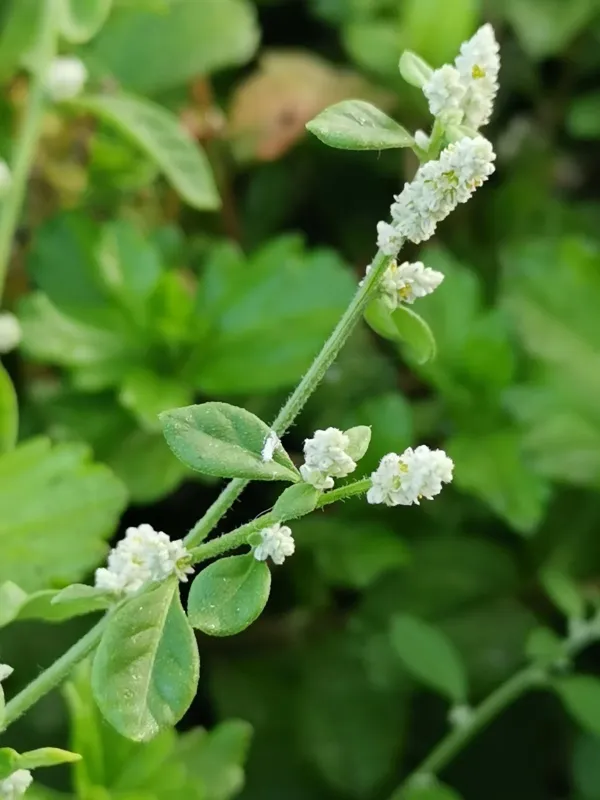
Description
Sowing dates
Aerva lanata, a member of the Amaranthaceae family, is a herbaceous plant native to tropical regions of Africa and Asia. It is often grown as an annual in temperate climates.
Seeds are sown in a light, sterile seed-starting mix. Because the seeds are tiny, they should be surface-sown and barely covered with a fine layer of substrate to ensure proper germination.
Optimal germination occurs at temperatures between 22 and 26 degrees Celsius. Seedlings typically emerge within two weeks when provided with consistent moisture and ambient light.
Transplanting into the garden should only take place after all danger of frost has passed, as the plant is highly sensitive to cold temperatures and chilling stress.
Spacing plants approximately 30-40 centimeters apart allows for adequate airflow, which is critical in preventing fungal diseases in the dense foliage of the plant.
Growing requirements
The plant thrives in full sun conditions. Exposure to high-intensity light is essential for the plant to synthesize the phytochemicals it is valued for in traditional medicine.
It prefers well-drained, sandy loam soils with a neutral pH. The soil should be kept moderately moist, but waterlogging must be avoided at all costs to prevent root rot.
Fertilization with balanced, nitrogen-rich nutrients during the vegetative stage supports the rapid development of stems and foliage needed for a successful harvest.
Wind protection is beneficial, especially for young seedlings, although the plant has a somewhat sturdy structure once fully established in the soil.
Maintaining clear ground around the plants through manual weeding or light mulching helps retain soil moisture and minimizes competition for essential nutrients.
Yield
The medicinal yield of Aerva lanata consists of the aerial parts of the plant. Harvesting efficiency depends on the growth conditions and the timing of the cut.
Harvesting at the onset of the flowering phase provides the highest concentration of active compounds, including flavonoids and various phenolic acids.
With careful management, yields of 1 to 1.5 kilograms of dry herb per square meter are achievable. Success depends largely on keeping the plants stress-free throughout the season.
Proper drying is the most critical post-harvest step. Material should be spread thin in a well-ventilated, shaded area to retain its green color and potency.
High-quality dried produce should be free of moisture and contaminants. Proper storage in airtight containers protects the leaves from humidity and loss of volatile compounds.
Main diseases and pests
Common pests include spider mites and aphids, which are particularly troublesome during hot, dry spells. These pests can rapidly sap the plant of its vitality.
Fungal pathogens such as mildew can develop if the humidity around the leaves remains too high for extended periods, especially in shaded or poorly ventilated garden beds.
Avoiding chemical pesticides is recommended for this crop due to its primary use in herbal medicine, favoring integrated pest management (IPM) strategies instead.
Root rot caused by overwatering is a significant threat to young plants and can lead to sudden wilting and death, making proper soil drainage a top priority for growers.
Regular inspection of the undersides of the leaves can help identify infestations early, allowing for physical removal before the damage becomes widespread.
Harvesting
The harvest is typically performed by cutting the upper aerial parts of the plant. A sharp tool should be used to ensure a clean cut that promotes rapid healing.
Timing is key; harvest should ideally take place in the morning after the dew has evaporated, which ensures the plant material is dry before processing.
Once harvested, the material should be processed immediately. If left in large piles, the green mass may start to ferment, leading to a loss of quality and active ingredients.
Standard quality control involves checking for the presence of roots or thick, woody stems which are generally excluded from the final medicinal product.
Depending on the region, one or two cuttings may be possible per season. In cooler climates, the harvest is usually limited to a single end-of-season cut before temperatures drop.