
Aerva glabrata
Aerva glabrata
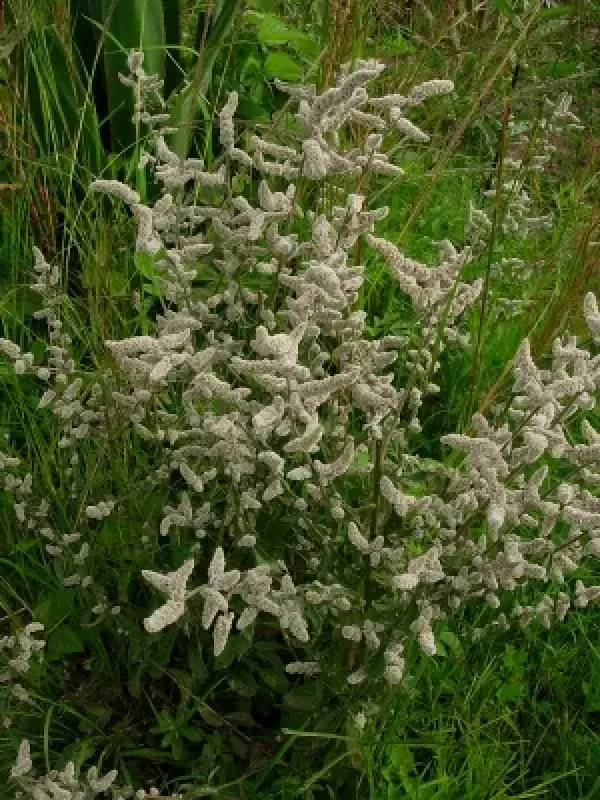
Description
Sowing dates
Sowing Aerva glabrata requires precise soil preparation and timing to ensure optimal conditions for seed germination and initial plant establishment.
Seeds should be sown in well-prepared, fine-textured soil, ideally in spring when the soil temperature consistently reaches favorable warmth.
Given the small size of the seeds, they are surface-sown or covered with a very thin layer of substrate to allow sufficient light penetration.
Adequate moisture must be maintained during the germination period to ensure uniform emergence of seedlings across the entire planted area.
Once seedlings have reached the desired size, they are thinned to provide sufficient spacing, which is crucial for air circulation and nutrient availability.
Growing requirements
Aerva glabrata, belonging to the Amaranthaceae family, thrives in warm climates and prefers well-drained, fertile, sandy-loam soils.
The plant requires full sun exposure throughout its growth cycle to maximize its metabolic activities and development of biomass.
Soil pH should ideally be neutral or slightly alkaline, as the plant is sensitive to acidic conditions that can impede nutrient uptake.
Irrigation management is essential; while the crop is moderately drought-tolerant, consistent soil moisture is needed during the peak growth phase.
Effective weed control is a prerequisite, as the species does not compete well with vigorous invasive grasses during its early growth stages.
Yield
The economic value of Aerva glabrata lies in its pharmacological properties, which make it a highly sought-after medicinal crop.
Yield performance is optimized through a combination of appropriate spacing, timely nutrient application, and multiple harvests per season.
The biomass is harvested for its therapeutic compounds, often used in extracts for natural healthcare products and traditional medicine applications.
Proper fertilization, focusing on potassium and micronutrients, is known to enhance both the vegetative mass and the quality of medicinal compounds.
Yield stability is maintained by ensuring that plants are not subjected to environmental stress, particularly excessive cold or prolonged waterlogging.
Main diseases and pests
Major threats to Aerva glabrata crops include fungal diseases that typically manifest under conditions of high humidity or insufficient drainage.
Root rot is a critical concern, especially if the soil profile remains saturated, which necessitates careful site selection for planting.
Insect pests such as sap-sucking bugs or leaf-eating caterpillars can lead to significant reductions in both yield and the quality of the harvested foliage.
Integrated pest management strategies, including monitoring and biological control, are recommended to protect the integrity of the medicinal product.
Field sanitation is key to preventing the spread of pathogens, emphasizing the removal of plant debris and maintaining healthy soil conditions.
Harvesting
Harvesting should be timed precisely at the start of the full flowering stage, which coincides with the peak concentration of active chemical constituents.
Techniques involve cutting the stems at a specific height above the soil to encourage the plant to regenerate for subsequent harvests.
Post-harvest handling is critical: the material must be moved quickly to drying facilities to preserve its biochemical integrity and prevent degradation.
Drying is performed under controlled conditions with ample ventilation at moderate temperatures to avoid damaging the volatile medicinal components.
Final storage of the dried product requires climate-controlled environments and protective packaging to maintain potency until processing or sale.