
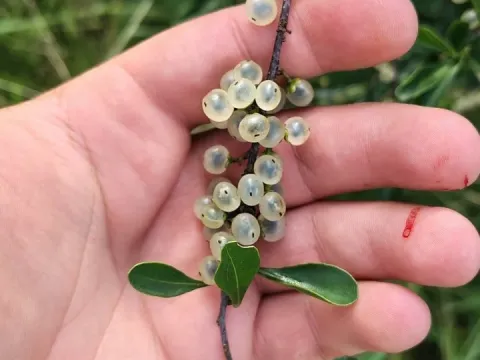
Achatocarpus
Achatocarpus
Achatocarpus is a genus of flowering plants belonging to the family Achatocarpaceae. These plants are native to the tropical and subtropical regions of the Americas, where they thrive in diverse, often arid environments.
What the section contains

Achatocarpus
The plant requires a warm, frost-free climate for optimal growth. It is well-adapted to high-temperature conditions and demonstrates significant tolerance to periodic droughts, making it a robust species for specific tropical climates.
Success in cultivating Achatocarpus depends heavily on soil quality. It demands well-drained substrate, as it is highly susceptible to root damage caused by waterlogged soils or standing water conditions during the rainy season.
Botanically, Achatocarpus species are characterized by their shrub-like or small tree habit, frequently armed with sharp thorns. The leaves are simple and entire, and the inflorescences are typically small, bearing distinct morphological markers of their family.
Economically, these plants are primarily used for ornamental purposes. Due to their dense and thorny structure, they are excellent candidates for functional landscaping, such as creating natural, impenetrable fences or living hedges.
The primary threats to the health of Achatocarpus include infestation by spider mites, which thrive in low-humidity environments and can compromise the integrity of the foliage if left uncontrolled.
Overwatering remains the most dangerous agronomic practice, as it creates an environment conducive to the development of root rot and other soil-borne fungal pathogens that target the root cortex.
Scale insects present a significant challenge, often attaching to branches and stems. These pests weaken the plant by extracting essential sap and creating entry points for secondary bacterial pathogens.
Improper pruning techniques can also expose the plant to infection. It is essential to use sanitized tools to prevent the transmission of diseases between individual plants during routine maintenance.
Integrated pest management strategies are recommended, focusing on maintaining balanced moisture levels and ensuring adequate spacing to promote airflow, which naturally reduces the pressure of fungal diseases.