
Achatocarpus nigricans
Achatocarpus nigricans
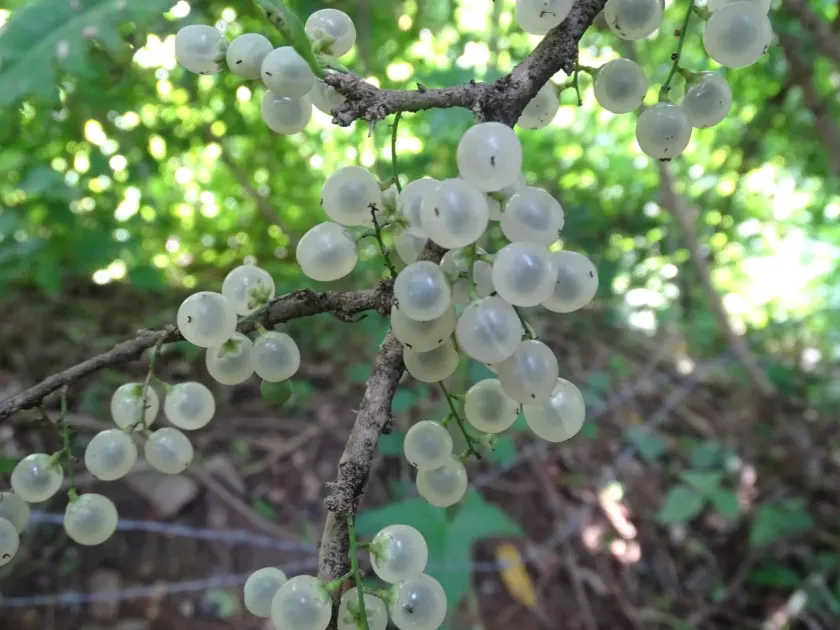
Description
Growing requirements
Achatocarpus nigricans is a perennial shrub or small tree belonging to the family Achatocarpaceae. It is native to the tropical and subtropical regions of South America, where it thrives in diverse habitats including tropical forests and scrublands.
The plant requires a warm climate with consistent temperatures to support vigorous growth. It is not cold-hardy, which restricts its agricultural cultivation primarily to tropical and subtropical zones where temperatures rarely drop below freezing.
Agricultural success depends on well-draining, fertile soil. The crop prefers loam or sandy soils that allow for aeration, preventing the root system from becoming waterlogged during heavy rainfall seasons.
Botanically, it is characterized by simple leaves and dark, blackish fruit that emerge from axillary inflorescences. The species demonstrates remarkable resilience in various soil types, making it an interesting candidate for reforestation or erosion control.
In terms of agricultural use, it is mostly recognized for its ornamental value in parks and gardens. Ongoing research continues to evaluate its potential for other applications, including medicinal or ecological roles within its native range.
Main diseases and pests
Root rot is the most significant disease threat to Achatocarpus nigricans, typically caused by fungi such as Phytophthora. To mitigate this risk, irrigation must be managed carefully to ensure soil moisture levels do not remain excessively high.
Pests that commonly affect this plant include scale insects and spider mites. These pests thrive in dry, stagnant conditions, making it essential to monitor the foliage and branches frequently for any signs of infestation.
To ensure healthy development, pruning is recommended to remove dead or diseased wood. This practice prevents the spread of pathogens that may take advantage of damaged or decaying plant tissues.
Cultural control methods such as maintaining proper spacing between plants are vital. Good airflow reduces the humidity level in the canopy, which in turn discourages the development of powdery mildew and other fungal pathogens.
When infestation levels exceed the threshold, targeted applications of soaps or oils are preferred to maintain the plant's health without disrupting the surrounding ecosystem balance.