
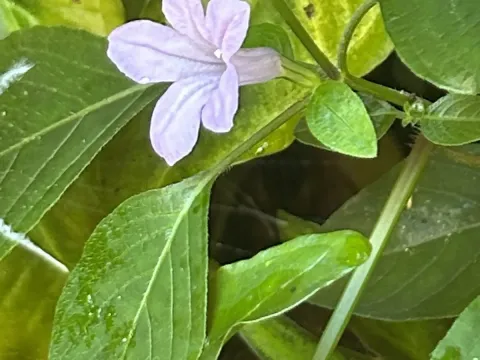
Ruellia prostrata
Ruellia prostrata
Ruellia prostrata is a perennial herbaceous plant belonging to the Acanthaceae family. Originally native to tropical regions of Asia, it thrives in warm, humid environments where it serves as a natural ground cover in shaded forest floors or clearings.
What the section contains
Ruellia prostrata
The plant exhibits a creeping growth habit with stems that readily root at the nodes upon contact with the soil. Its foliage is characterized by ovate, opposite leaves with a slight pubescence, while the flowers display a delicate, funnel-like shape in shades of light purple or lavender.
Successful cultivation requires well-draining, nutrient-rich soil with a neutral to slightly acidic pH. The plant demands consistent soil moisture to thrive, but it is critical to avoid waterlogging, which can quickly lead to root decay and overall plant decline.
Ruellia prostrata prefers partial shade and is sensitive to direct midday sun, which can cause leaf scorch. The ideal temperature range for growth is between 20°C and 28°C; therefore, in cooler climates, it is typically managed as a container plant that can be moved indoors during winter months.
In terms of agricultural and horticultural use, the plant is highly valued for its ability to create dense, low-maintenance carpets in shady landscape designs. It is also a popular choice for hanging baskets and window boxes due to its graceful, trailing stems that cascade over the edges.
The plant is susceptible to common greenhouse pests such as spider mites, aphids, and whiteflies, especially when grown in stagnant or overly dry air. Over-watering is the most significant threat to the plant's health, as it promotes fungal pathogens such as powdery mildew and various types of root rot. Regular monitoring and proper ventilation are essential for maintaining a healthy crop.