
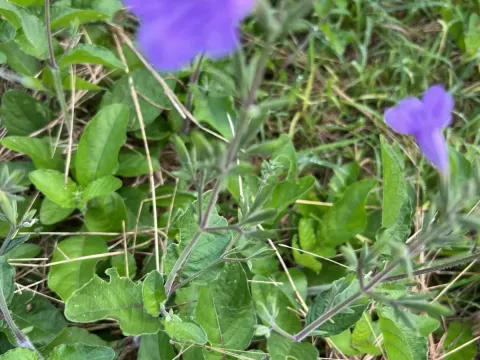
Ruellia runyonii
Ruellia runyonii
Ruellia runyonii is a perennial herbaceous plant belonging to the Acanthaceae family. Native to the regions of Northern Mexico and Southern United States, it is well-adapted to hot, semi-arid environments where it thrives in direct sunlight.
What the section contains
Ruellia runyonii
Botanically, the plant is characterized by its compact, shrub-like growth habit and vibrant trumpet-shaped flowers, typically in shades of purple or lavender. It maintains a steady aesthetic appeal throughout the growing season due to its lush, deep green foliage and prolific blooming cycle.
The plant requires significant light exposure to maintain its compact form and to stimulate flower production. While it exhibits high drought tolerance once established, it prefers consistent but moderate watering schedules during the peak summer months to ensure optimal development.
Soil requirements focus on excellent drainage, as the species is highly susceptible to root rot in waterlogged conditions. A sandy or well-draining loamy soil with a neutral pH is ideal for promoting healthy root expansion and overall plant vigor.
In terms of хозяйственное использование (agricultural/horticultural use), Ruellia runyonii is primarily utilized in xeriscaping and sustainable landscape design. Its ability to withstand heat makes it a preferred choice for residential gardens and public spaces that aim to reduce water consumption while maintaining high ornamental value.
Common pests affecting this crop include spider mites and whiteflies, which tend to congregate under the leaves during hot, dry weather. Monitoring and application of mild insecticidal soaps are usually sufficient to control these populations before they cause significant damage to the plant.
Pathogenic threats are mainly associated with soil-borne fungi, particularly under conditions of poor drainage and overwatering. Proper cultural practices, such as allowing the top layer of soil to dry out between watering sessions, are the most effective way to prevent fungal infections and maintain plant health.