
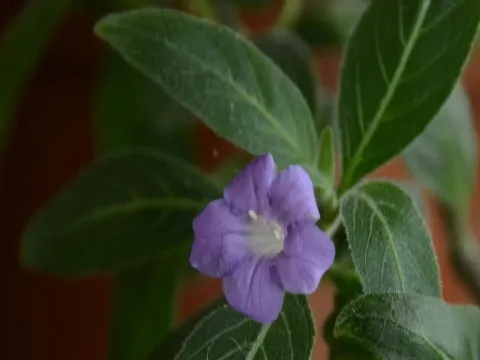
Carolina wild petunia
Ruellia carolinensis
Sowing of Carolina wild petunia seeds is typically conducted during the spring months once soil temperatures become consistently warm for germination.
What the section contains
Carolina wild petunia
For better results, seeds can be started indoors in trays filled with a light potting mix about two months before the last frost date in the region.
When sowing directly into the garden, ensure the surface is well-cleared of competing weeds, as young seedlings can be sensitive to overcrowding.
Light coverage with fine soil or sand is recommended, as the seeds require slight exposure to ambient light for successful and uniform sprouting.
Keeping the substrate moist is vital during the first few weeks, as small seeds do not tolerate desiccation and may fail to develop if allowed to dry out.
Ruellia carolinensis, a member of the Acanthaceae family, is native to the southeastern United States and is highly valued for its adaptability.
The plant thrives in well-drained, sandy or loamy soils and is known for its remarkable ability to tolerate varying levels of soil fertility and moisture.
While it prefers full sun for optimal bloom production, it demonstrates excellent growth in dappled shade, making it a versatile choice for landscaping.
Climate requirements include moderate warmth, as the species is essentially a perennial that appreciates stable temperatures during its peak growing cycle.
It is important to maintain a consistent irrigation schedule during establishment, though mature plants show increased tolerance to occasional dry spells.
Common garden pests such as aphids and spider mites may occasionally infest the foliage, particularly during hot and dry summer intervals.
Fungal issues like powdery mildew can develop if the plants are placed in areas with poor airflow or if the humidity remains consistently high.
Root rot is the primary physiological threat, usually caused by overwatering or planting in heavy clay soils that do not allow for rapid drainage.
Effective management includes maintaining proper spacing between individuals and cleaning up debris around the base of the plants each season.
Strategic use of horticultural oils or organic insecticidal soaps is usually sufficient to handle minor pest outbreaks without harming the plant's health.