
Ptyssiglottis
Ptyssiglottis
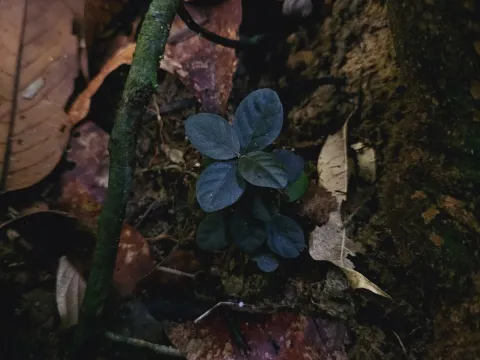
Ptyssiglottis is a genus of herbaceous flowering plants within the Acanthaceae family, primarily native to the tropical rainforests of Southeast Asia. These plants are known for their shade-tolerant nature and are often found in the understory of dense forests, thriving in humid environments.
What the section contains
Ptyssiglottis
Climatic requirements are strict, necessitating a warm and consistent environment throughout the year. Temperatures should ideally stay between 20°C and 28°C. Being sensitive to cold, these plants are predominantly grown in controlled greenhouse conditions or as houseplants in temperate climates.
Soil composition must be rich in organic matter, providing both high moisture retention and excellent drainage. A mix involving sphagnum moss, perlite, and well-decomposed leaf mold is typically recommended to mimic the natural forest floor habitat where the species thrives.
Maintenance of high ambient humidity is crucial for the health of Ptyssiglottis. Air humidity levels below 60% can lead to rapid transpiration, resulting in crisped leaf margins and stunted growth, making regular misting or automated humidification a fundamental agronomic practice.
Lighting should be bright but strictly filtered. In a controlled cultivation setting, providing indirect sunlight or moderate artificial light levels prevents leaf chlorosis and keeps the foliage vibrant, which is essential for the ornamental and botanical value of the genus.
The primary horticultural threats to Ptyssiglottis involve fungal pathogens caused by improper ventilation and excessive water saturation in the substrate. Root rot is the most common issue, often requiring systemic fungicides and adjustments to the irrigation schedule to rectify.
Pest pressures are largely dominated by spider mites, which thrive in low-humidity conditions. Regular monitoring for webbing and foliage damage is recommended. In severe infestations, soft-bodied insect pests like mealybugs may also require targeted treatment with horticultural oils or approved pesticides.