
Peristrophe
Peristrophe Nees
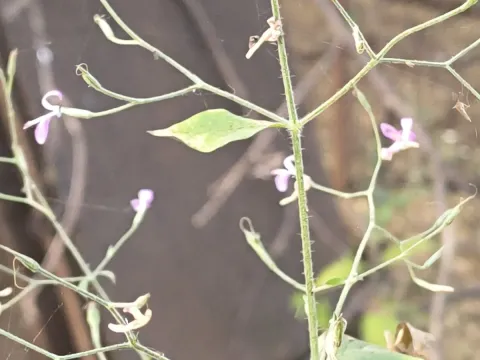
Peristrophe is a genus of herbaceous perennial plants or subshrubs belonging to the Acanthaceae family. In their natural habitat, these plants are distributed across tropical and subtropical regions of Asia, including India, China, and various countries in Southeast Asia. Propagation is typically achieved through seeds or stem cuttings, preferably initiated at the beginning of the spring season.
What the section contains
Peristrophe
When propagating by seed, it is recommended to sow in well-warmed, loose soil mixed with peat and sand to ensure optimal aeration. The seeds require surface sowing and consistent substrate moisture until germination, which typically occurs at temperatures between 22 and 25 degrees Celsius.
The crop has significant temperature requirements, preferring a warm climate free from sudden diurnal temperature fluctuations. As it cannot tolerate frost, it is primarily cultivated as a houseplant or within greenhouse environments in temperate climate zones.
Peristrophe requires bright but diffused light, as direct sunlight can cause leaf scorch. During the active growth phase, the plant needs regular watering; however, waterlogging in the root zone is detrimental, necessitating the use of drainage layers in all cultivation containers.
For successful vegetation, fertile, slightly acidic or neutral soils rich in humus are ideal. The plant responds well to regular applications of complex mineral fertilizers from spring through the end of summer, which promotes vigorous development of foliage and enhances the vibrancy of leaf coloration.
The primary threats to Peristrophe health are related to improper irrigation and air humidity management. Among the pests, spider mites and mealybugs are the most common, particularly thriving in the dry air of indoor environments.
Excessive moisture combined with poor ventilation may lead to the development of fungal infections, such as root rot or powdery mildew. Prevention involves routine plant inspections, implementing quarantine measures for new additions, and maintaining optimal humidity levels within the growing area.