
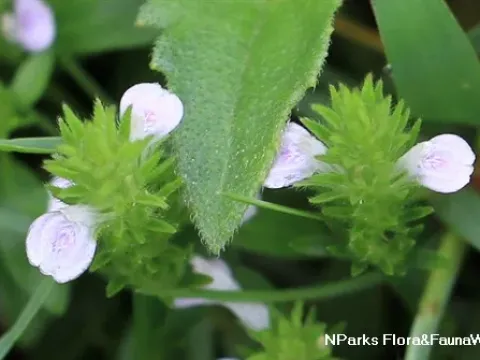
Water willow
Justicia procumbens
Water willow, known scientifically as Justicia procumbens, is a member of the Acanthaceae family, widely recognized for its spreading habit.
What the section contains
Water willow
The propagation of this crop is typically done through seeds sown in late spring once the soil temperature is consistently warm.
Seeds should be planted in a seedbed with fine, well-aerated soil, ensuring they are only lightly covered to allow for necessary light exposure.
Proper germination requires constant humidity and stable ambient temperatures to support the development of the primary root system.
Seedlings are transplanted into the main field once they reach a height of approximately 10 centimeters to ensure better survival rates.
This crop thrives in tropical and subtropical regions, requiring high levels of humidity and warm temperatures to reach its full potential.
Rich, loamy soils with good drainage are essential; while the plant loves moisture, it cannot tolerate waterlogged conditions that cause root rot.
Full sun is preferred, although the plant can tolerate partial shade in regions with extremely high midday temperatures to prevent leaf scorch.
Watering schedules must be adjusted based on the growth stage, with increased frequency during the peak development and flowering period.
Soil pH should ideally be maintained between 6.0 and 7.0 to ensure optimal nutrient uptake and vigorous growth of the plant biomass.
The primary threats to Justicia procumbens include fungal infections such as root rot and leaf spots, which are often caused by excessive humidity.
Common insect pests include aphids and mites, which can significantly stunt growth if infestations are not addressed in the early stages.
Cultural control measures, such as proper spacing and weeding, are the most effective ways to manage the plant's health without excess chemicals.
Regular monitoring of the field is crucial, particularly during periods of high humidity, to detect any signs of fungal pathogens early.
Using organic mulches can help suppress weeds and maintain consistent soil moisture, although care must be taken not to promote stem rot at the base.
Harvesting usually involves cutting the aerial parts of the plant during its flowering stage to maximize the concentration of active medicinal compounds.
Manual harvesting is common for smaller plots, while mechanical harvesting can be utilized for larger fields using sickle-bar cutters.
The harvested material must be dried quickly in a shaded, well-ventilated area to prevent degradation of the plant's phytochemical constituents.
Proper drying is achieved when the stems become brittle, indicating that the moisture content has been reduced to safe storage levels.
Final storage involves placing the dried herb in moisture-proof containers kept in cool, dark environments to ensure long-term shelf stability.