
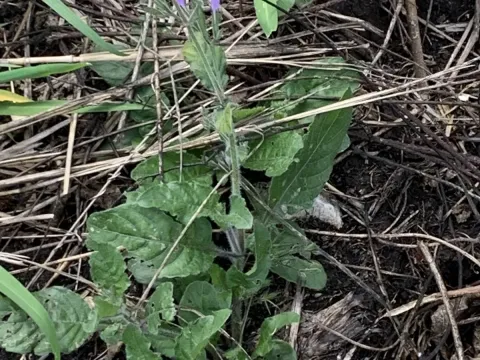
Yucatan ruellia
Ruellia yucatana
Yucatan ruellia (Ruellia yucatana) is a perennial herbaceous plant belonging to the Acanthaceae family. Originating from the Yucatan Peninsula in Mexico, this species is well-adapted to tropical climates characterized by warm temperatures and distinct seasonal humidity patterns.
What the section contains
Yucatan ruellia
The plant thrives in locations with bright, filtered sunlight. While it can tolerate direct sun in its native habitat, potted specimens in greenhouses require protection from harsh afternoon sun to prevent foliage scorch. It is highly sensitive to frost and must be protected from temperatures below 10-12 degrees Celsius.
Soil requirements for this crop include a well-draining, nutrient-rich medium. A mix of peat, compost, and perlite is ideal to ensure proper aeration and prevent moisture retention, which can be detrimental to the root system. Proper drainage is the most critical factor for long-term survival.
Watering should be consistent during the growing season, maintaining moist but not waterlogged soil. Yucatan ruellia exhibits a degree of drought tolerance once established, but optimal health and flower production are achieved through regular hydration and high humidity levels.
In terms of usage, the plant is primarily cultivated for ornamental purposes. It is commonly used in tropical landscaping, indoor vertical gardens, and as a container plant. Its aesthetic appeal lies in its reliable, frequent blooming and relatively low maintenance requirements in controlled environments.
Common pests associated with Yucatan ruellia include spider mites and whiteflies, especially when grown in indoor settings with low air circulation or low humidity levels. Regular inspection of the underside of leaves is recommended for early detection.
Pathogenic threats are usually related to fungal infections caused by excessive moisture. Root rot and powdery mildew are the primary concerns. To manage these, it is essential to ensure adequate airflow around the foliage and to avoid wetting the leaves during late evening watering sessions.