
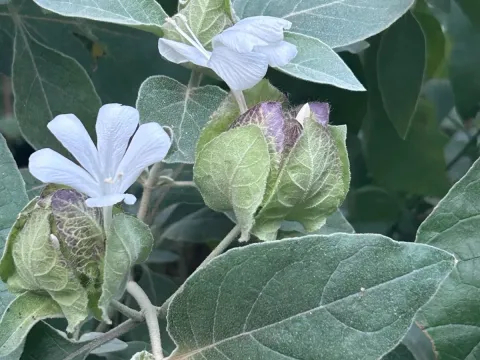
White-starred Barleria
Barleria albostellata
White-starred Barleria (Barleria albostellata) is a charming shrub belonging to the Acanthaceae family, typically propagated through seeds or stem cuttings.
What the section contains
White-starred Barleria
Sowing seeds in indoor environments should occur in late winter or early spring to ensure the plants have enough time to establish before being moved outdoors.
The substrate must be well-drained and nutrient-rich to facilitate fast germination, which usually occurs under temperatures of +22°C to +25°C.
Seedlings require careful handling during the transplanting phase to ensure their delicate root systems remain intact for successful establishment.
Hardening off the plants is a crucial step before final transplantation into the open garden to prevent environmental shock caused by sudden changes.
Native to Southern Africa, this plant thrives in locations that provide plenty of direct sunlight and protection from strong, chilling winds.
Soil composition is key; the plant prefers a slightly acidic or neutral pH and requires a substrate that allows excess water to drain away quickly.
While the species demonstrates moderate drought tolerance, consistent watering is recommended during the peak growing season to maximize floral production.
Overwatering should be avoided at all costs, as standing water in the root zone is the most common cause of plant failure and fungal development.
In cooler climates, cultivation in containers is standard practice, allowing gardeners to bring the plants indoors before the first autumn frost arrives.
The primary threats to Barleria albostellata include root rot, which typically occurs when the soil remains consistently waterlogged for extended periods.
Pests such as spider mites and aphids are known to feed on the foliage, especially in environments where humidity levels are kept too low.
Good cultural practices, such as maintaining proper spacing between plants, significantly reduce the humidity-related stress that encourages disease outbreaks.
Routine inspection of leaves is advised for early detection of parasites, allowing for prompt intervention before an infestation becomes severe.
Using organic pest control methods and ensuring adequate airflow help maintain the health and vigor of the shrubs throughout the entire growing season.