
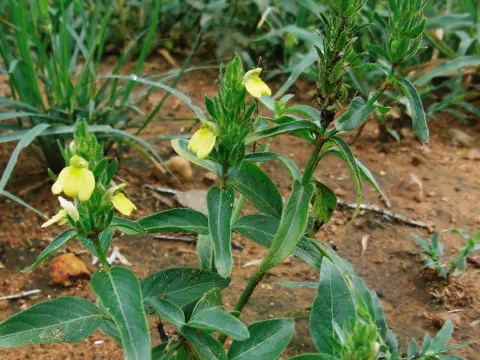
Water willow
Justicia palustris
Water willow (Justicia palustris) is a distinct hydrophyte belonging to the Acanthaceae family. This species originates from tropical and subtropical wetlands, where it thrives along riverbanks and in shallow aquatic environments, exhibiting excellent adaptation to saturated growing media.
What the section contains
Water willow
Botanically, the plant features erect stems and opposite lanceolate leaves, which are highly efficient at capturing light in humid environments. The root system is specially adapted to thrive in anaerobic substrates, allowing the plant to colonize muddy soils that are typical of its native habitats.
Temperature requirements for optimal cultivation range between 22 and 28 degrees Celsius. Justicia palustris is highly sensitive to cold stress, making it unsuitable for outdoor cultivation in temperate regions without significant climate control measures like commercial greenhouses.
Soil requirements focus on high organic matter content and stable moisture levels. The substrate should be maintained in a neutral to slightly acidic pH range to facilitate efficient nutrient uptake, particularly for essential micronutrients required for robust growth.
Agrotechnical management involves maintaining a consistent water level above the root zone to ensure physiological stability. Furthermore, high light intensity is necessary to prevent etiolation and to ensure the production of high-quality vegetative biomass suitable for horticultural use.
Common diseases in Justicia palustris often arise from suboptimal environmental conditions, particularly poor water circulation which leads to fungal infections. Root rot caused by oomycetes can be particularly devastating if stagnant water conditions are left unaddressed for too long.
Pest pressures primarily include sap-sucking insects such as aphids and spider mites. These pests tend to colonize the undersides of leaves, and their feeding activity can significantly reduce the photosynthetic capacity and aesthetic value of the commercial crop.
Biological pest control is strongly recommended for this culture, given its sensitivity to many synthetic chemical pesticides. Encouraging beneficial insects or applying entomopathogenic fungi can help maintain pest populations below the economic injury level.
Sanitation practices are vital; removing dead foliage and maintaining clean water storage containers will drastically reduce the spread of waterborne pathogens. Regularly sanitizing equipment used in the cultivation area also prevents the transmission of viral diseases between crop batches.
Monitoring for signs of nutritional deficiencies or systemic infections is essential. Timely application of targeted interventions can prevent minor localized issues from escalating into crop-wide failures, ensuring the consistency of the harvest.