
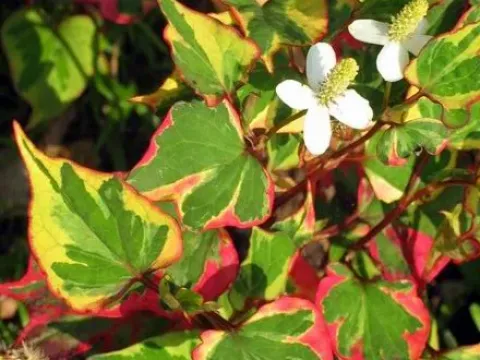
Chamaele
Chamaele
Sowing of the Chamaele crop is primarily carried out in the spring when soil temperatures reach 12–15 degrees Celsius. It is essential to choose the right timing to prevent seedlings from being exposed to late night frosts.
What the section contains
Chamaele
Seeds are sown in prepared furrows at a depth of approximately 2–3 centimeters. A crucial condition for successful germination is maintaining adequate substrate moisture during the first two weeks after sowing.
For early harvest, nursery cultivation in greenhouses or cold frames is acceptable. Seedlings are transplanted into open fields when they reach the age of 30–35 days.
The sowing pattern should account for the plant's need for active vegetation and sufficient light for each individual specimen. Usually, row spacing of 45–60 centimeters is recommended.
While optimal timing varies by climatic zone, the key factor remains consistent warm weather without the risk of critical soil cooling.
This plant belongs to the Asteraceae family and is highly demanding regarding solar exposure. For normal development, Chamaele requires open, well-lit agricultural areas.
The crop prefers light, fertile loamy or sandy soils with a neutral pH level. Development of the root system is significantly hindered in heavy or acidic soils.
Moisture availability is an important factor, although the plant reacts very negatively to waterlogging in the root zone. Proper soil drainage is mandatory to prevent rot processes.
Applying organic fertilizers in the autumn season before plowing significantly increases the overall crop productivity. Additional nitrogen-phosphorus feedings during the growing season are effective.
The crop demonstrates moderate resistance to drought periods due to the specific structure of its root system, allowing it to adapt to changing climatic conditions.
The primary threat to Chamaele crops comes from fungal diseases that thrive in high humidity and dense planting conditions. Prevention includes thinning and fungicide treatments.
Among pests, various aphid species and soil nematodes are the most common. Controlling them requires timely monitoring of plant health and the use of appropriate insecticides.
Powdery mildew infections can lead to a sharp decline in harvest quality. It is recommended to follow crop rotation practices and avoid returning the crop to the same plot for at least 3–4 years.
To minimize virus infection risks, it is necessary to manage insect vectors such as whiteflies, which can severely damage the plant's vegetative mass.
The use of resistant cultivars and adherence to quarantine measures are fundamental protection strategies that significantly reduce the need for chemical interventions.
Harvesting Chamaele is performed at the technical maturity stage, which is determined by the condition of the plant's above-ground parts and the commercial appearance of the target organs.
Standard agricultural tools are used for manual harvesting, ensuring the integrity of the product is preserved to facilitate better shelf life and storage stability.
The collection process should be conducted in dry weather to prevent the development of pathogens on the surface of the harvested material during storage and transport.
Post-harvest, the product undergoes a primary cleaning stage to remove soil and damaged parts, which is a critical condition for preparing the batch for market distribution.
The gathered crop must be stored in a cool, well-ventilated location to prevent self-heating and the loss of essential nutrients during the post-harvest period.