
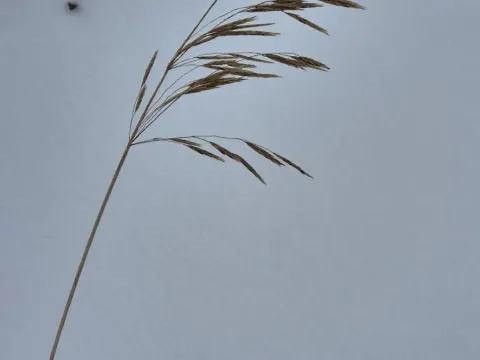
Ceratochloa
Ceratochloa
The sowing of Ceratochloa (often classified within the Bromus genus) is typically carried out in early spring as soon as the soil reaches a workable condition. Early planting is crucial to leverage residual winter moisture, which supports robust root development in the young grass.
What the section contains
Ceratochloa
In regions with temperate climates, late autumn seeding can also be an effective strategy to ensure faster germination at the first signs of warmth in spring. Seeds should be planted at a shallow depth, ideally between 1.5 and 2.5 cm, to balance emergence speed and environmental protection.
Choosing the right seeding density is vital for maximizing biomass production. Row planting is generally preferred for forage crops as it allows for better weed control and individual plant development compared to broadcast seeding methods.
Post-seeding field compaction is a standard agronomic practice for Ceratochloa. Using rollers ensures that seeds remain in close contact with moist soil particles, significantly improving the uniformity of the initial crop stand.
Early-stage weed management is necessary as the seedlings may be slow to establish compared to more aggressive weeds. Keeping the field clear during the first few weeks is essential for creating a dense and productive meadow.
Ceratochloa is a member of the Poaceae family, known for its adaptability to a range of soil types. It performs best in fertile loamy or silty soils with a slightly acidic to neutral pH, provided the land is well-drained and capable of holding moisture.
Moisture availability is a primary factor for successful cultivation. While the grass is moderately resilient, consistent irrigation or reliable rainfall during the peak growing season is necessary to achieve high yields of green forage.
The crop thrives in temperate conditions and is sensitive to extreme heat or prolonged drought, which can lead to stunted growth and premature maturation. Maintaining a stable environment through proper moisture control is key to crop longevity.
Fertilization regimes should focus on nitrogen to stimulate vegetative leaf growth, while balanced potassium and phosphorus inputs are necessary to improve the plant's structural integrity and winter survival rates.
Proper sun exposure is essential for photosynthesis. In shaded areas, the grass may become spindly and have a lower nutrient density, so open field sites with good airflow are always preferred for maximum output.
Ceratochloa is primarily grown for high-quality hay, haylage, and as a productive grazing pasture. Its reputation as a valuable forage crop stems from its high leaf-to-stem ratio and excellent palatability for livestock.
With an intensive management program, including adequate fertilization and irrigation, it is possible to harvest 3 to 4 cuts per growing season. Each harvest should be timed carefully to maximize both volume and nutritional value.
The protein content of the grass is highest before the onset of the heading stage. Delaying the harvest causes an increase in structural fiber (lignin), which directly reduces the overall nutritional value of the final feed product.
Integrating Ceratochloa into legume mixtures is a highly effective way to enhance the quality of the forage. This combination not only balances the nutritional profile but also increases the total dry matter yield per hectare.
Yield potential varies depending on soil fertility and the management of water resources. Progressive farms using precise fertilization and irrigation often report significantly higher biomass production than under rain-fed conditions.
Fungal diseases such as rust and powdery mildew are the most common threats to Ceratochloa, especially in dense stands with poor airflow. Maintaining optimal plant spacing is a proven method to reduce the risk of large-scale fungal spread.
Insects like cereal aphids and various grass beetles can infest fields, causing damage to leaf tissues and reducing vitality. Early detection through field scouting allows farmers to implement control measures before economic damage occurs.
Root rot is typically associated with waterlogged or poorly drained soils. Avoiding heavy soils prone to ponding and ensuring good drainage during land preparation is essential for preventing these destructive soil-borne issues.
Integrated Pest Management (IPM) strategies, including the use of biological controls, are highly recommended for this crop. These methods protect the feed quality while minimizing chemical residues, which is vital for high-end livestock production.
Ongoing monitoring throughout the season ensures that any health issues are addressed promptly. Preventive care and good crop hygiene are the cornerstones of keeping the meadows productive for many years.
The best time to harvest Ceratochloa is at the onset of the heading stage. Harvesting at this precise phase ensures a high concentration of energy and protein, which is vital for the animal diet.
When cutting for hay, the use of conditioning mowers is recommended to break the stems, allowing moisture to escape faster. This significantly reduces drying time and helps preserve the natural color and vitamins of the grass.
For haylage, the material should be chopped and packed tightly in silos or wrapped bales to exclude oxygen. Proper compaction prevents spoilage and encourages stable fermentation, ensuring high-quality silage for winter storage.
Post-harvest care, including light irrigation and nitrogen top-dressing, encourages rapid regrowth (regeneration) of the grass. This practice is vital for achieving the target number of cuts in a single season.
The final cut of the season must be timed at least one month before the first frost. This allows the plants to store enough carbohydrates in their roots to survive the winter and start growing vigorously the following spring.