
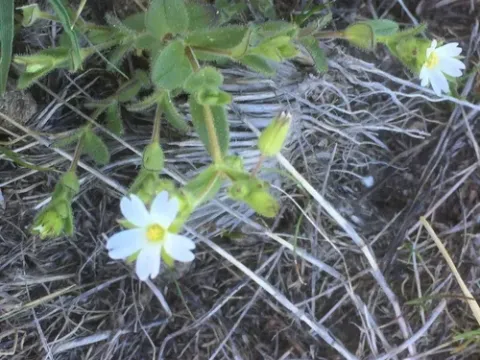
Cerastium gracile
Cerastium gracile
Cerastium gracile is a member of the Caryophyllaceae family, known for its delicate white flowers and resilience in challenging environments.
What the section contains
Cerastium gracile
Sowing in open ground is best performed during the spring months, specifically from April to May, when the soil has sufficiently warmed up after winter.
For those starting indoors, seeds can be sown in trays during late February, providing controlled conditions for germination before transplanting.
The seeds are relatively small and should be sown on the surface of the growing medium, covered only slightly with a fine layer of substrate.
Adequate light exposure is essential for the germination process, so containers should be kept in bright areas to prevent weak, spindly seedlings.
The species thrives in full sun exposure, requiring at least six to eight hours of direct light daily to maintain its compact, low-growing habit.
Well-draining, sandy, or rocky soil is ideal for Cerastium gracile, as it mimics its natural habitat and prevents moisture from accumulating around the roots.
It demonstrates excellent drought tolerance once established, making it a sustainable choice for xeriscaping or low-maintenance garden designs.
The plant performs best in neutral to slightly alkaline soil conditions, avoiding heavy clays that remain damp for extended periods throughout the year.
Fertilization should be kept to a minimum, as excess nutrients can cause the plant to become leggy and less resistant to environmental stressors.
Fungal diseases are the primary threat, particularly in regions with high humidity or frequent rainfall that hinders quick evaporation from the foliage.
Root rot is a major concern caused by overwatering, which necessitates the use of raised beds or slope plantings to ensure proper drainage.
Insect pests are generally not a major issue, although occasional infestations of aphids may occur on the tender growth during the early spring.
Cultural practices such as maintaining proper spacing between plants are vital to improve airflow and reduce the likelihood of pathogen development.
If chemical intervention is necessary, use fungicides strictly according to the manufacturer's guidelines, targeting specifically ornamental plants.
In landscaping, Cerastium gracile is highly valued as a ground cover that stabilizes soil and provides an aesthetic appeal in rock gardens.
Seed collection involves gathering the mature seed pods towards the end of the summer season once the plants have completed their flowering cycle.
Trimming the foliage after the main bloom is highly recommended to encourage secondary growth and keep the plant looking fresh and dense.
The plant is highly winter-hardy and requires no special protection, as it enters dormancy and survives harsh temperatures in its roots.
Proper maintenance of the planting area ensures that Cerastium gracile remains an effective and long-lasting component of the garden design.