
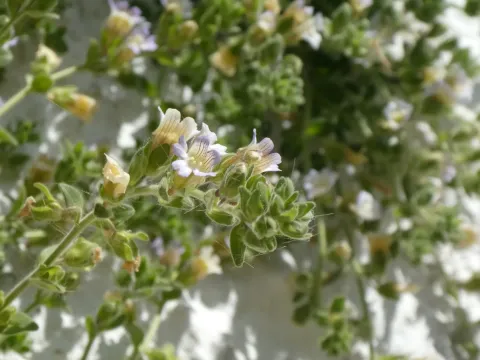
Chaenarrhinum
Chaenarrhinum (DC.) Rchb.
Chaenarrhinum is a genus of herbaceous plants classified within the Plantaginaceae family. Native primarily to the Mediterranean basin, these plants have evolved to thrive in harsh, dry environments.
What the section contains
Chaenarrhinum
The botanical structure of the plant features slender stems and distinct zygomorphic flowers. These blossoms typically display a unique spur at the base, which assists in identification compared to similar genera.
For optimal growth, this culture requires sandy, rocky, and well-draining soils. It is highly intolerant of waterlogged conditions, which can lead to rapid decline and root rot in sensitive specimens.
Sunlight requirements are stringent, as the plant demands full sun exposure to maintain its compact, healthy habit. It is an excellent candidate for xeriscaping and drought-resistant garden designs.
In landscaping, Chaenarrhinum is primarily utilized in rock gardens, crevices, or alpine beds where its rugged nature and delicate floral display are highly valued by gardeners.
Root rot caused by poor soil drainage and excess moisture is the most common threat to the longevity of Chaenarrhinum. Proper site selection is essential to mitigate these risks.
Pests such as aphids may occasionally inhabit the foliage, but they rarely reach levels requiring chemical intervention under natural, well-ventilated garden conditions.
Fungal infections can occur during periods of prolonged high humidity, making the improvement of air circulation around the plants a necessary preventive measure.
Monitoring the soil moisture levels is critical; the substrate should be allowed to dry out significantly between watering sessions to ensure the plant's health.
Regular maintenance involves removing spent flowers to encourage further blooming and ensuring that no debris accumulates around the base of the plant to prevent rot.