
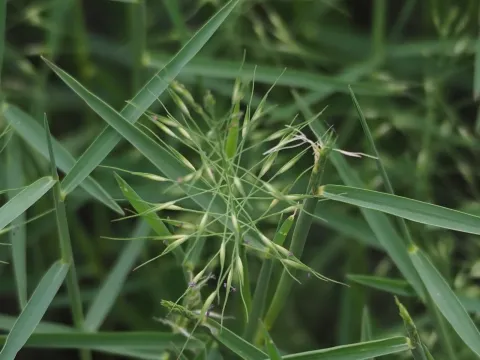
Chamaeraphis brunoniana
Chamaeraphis brunoniana
The sowing schedule for Chamaeraphis brunoniana is largely dependent on local climate conditions, as the crop requires a stable temperature profile for optimal emergence. Field operations should commence once soil temperatures reach at least 12–15 degrees Celsius.
What the section contains
Chamaeraphis brunoniana
Spring sowing is generally recommended to avoid late-season frosts, which can be detrimental to young seedlings. Proper timing allows the crop to utilize residual soil moisture, ensuring a vigorous start to the growing season.
Seed placement depth is a critical parameter; burying seeds too deeply can exhaust the seedling's energy reserves. A shallow depth of 1 to 2 centimeters is optimal for achieving uniform germination across the field.
Standard row sowing, with spacing between 15 and 20 centimeters, is the preferred method for managing plant density. This configuration ensures adequate space for each plant while facilitating effective weed management and nutrient access.
Ensuring consistent soil moisture throughout the first two weeks post-seeding is vital. This period defines the strength of the root system and the overall establishment success of the Chamaeraphis brunoniana stand.
Chamaeraphis brunoniana belongs to the Poaceae (grass) family and thrives best in fertile loamy or sandy loam soils that offer excellent aeration and drainage. Poorly drained, heavy soils should be avoided to prevent root stagnation.
The plant demonstrates a strong preference for high light intensity, requiring full sun for maximal development. Partial shade conditions can significantly impede growth and lead to a reduction in both biomass and seed quality.
While the crop is relatively adaptable, it requires consistent moisture throughout the growing season but is sensitive to prolonged waterlogging. Soils with a pH ranging from slightly acidic to neutral are ideal for optimal nutrient uptake.
Routine inter-row cultivation is a standard agrotechnical practice for this crop. It serves to improve soil gas exchange and prevent surface crusting, which can hinder the growth of young shoots after heavy rainfall or irrigation.
Nutrient management should focus on a balanced approach, providing sufficient nitrogen to support vegetative growth, followed by phosphorus and potassium applications to ensure plant health and resilience against environmental stress.
Chamaeraphis brunoniana can be susceptible to fungal diseases, including various rusts and powdery mildew, particularly under conditions of high humidity and poor airflow. Managing canopy density is essential to minimize disease risk.
Pest management often involves monitoring for cereal flies and aphids, which can damage plants during the tillering phase. Regular inspection allows for the early detection of pest populations before they cause significant economic damage.
Preventive measures include adhering to strict crop rotation schedules, which prevents the build-up of specific soil-borne pathogens. Rotating away from grass-family crops for at least three years is a recommended agronomic strategy.
Biological treatments for seeds prior to planting can enhance the natural defenses of the plants against early-stage diseases and subterranean insects. This is an environmentally sustainable way to improve stand health.
When chemical intervention is required to manage severe pest outbreaks, it is crucial to use targeted pesticides that align with integrated pest management (IPM) guidelines to protect beneficial insect populations.